Best Automatic Dog Feeders in 2026
Compare three automatic dog feeders for app control, reliable offline scheduling and larger food capacity, plus the trade-offs that matter before buying.
📅 July 9, 2026
Compare dog brushes for shedding by coat type, from undercoat tools and slickers to rubber curry brushes. Research-based advice for safer grooming.
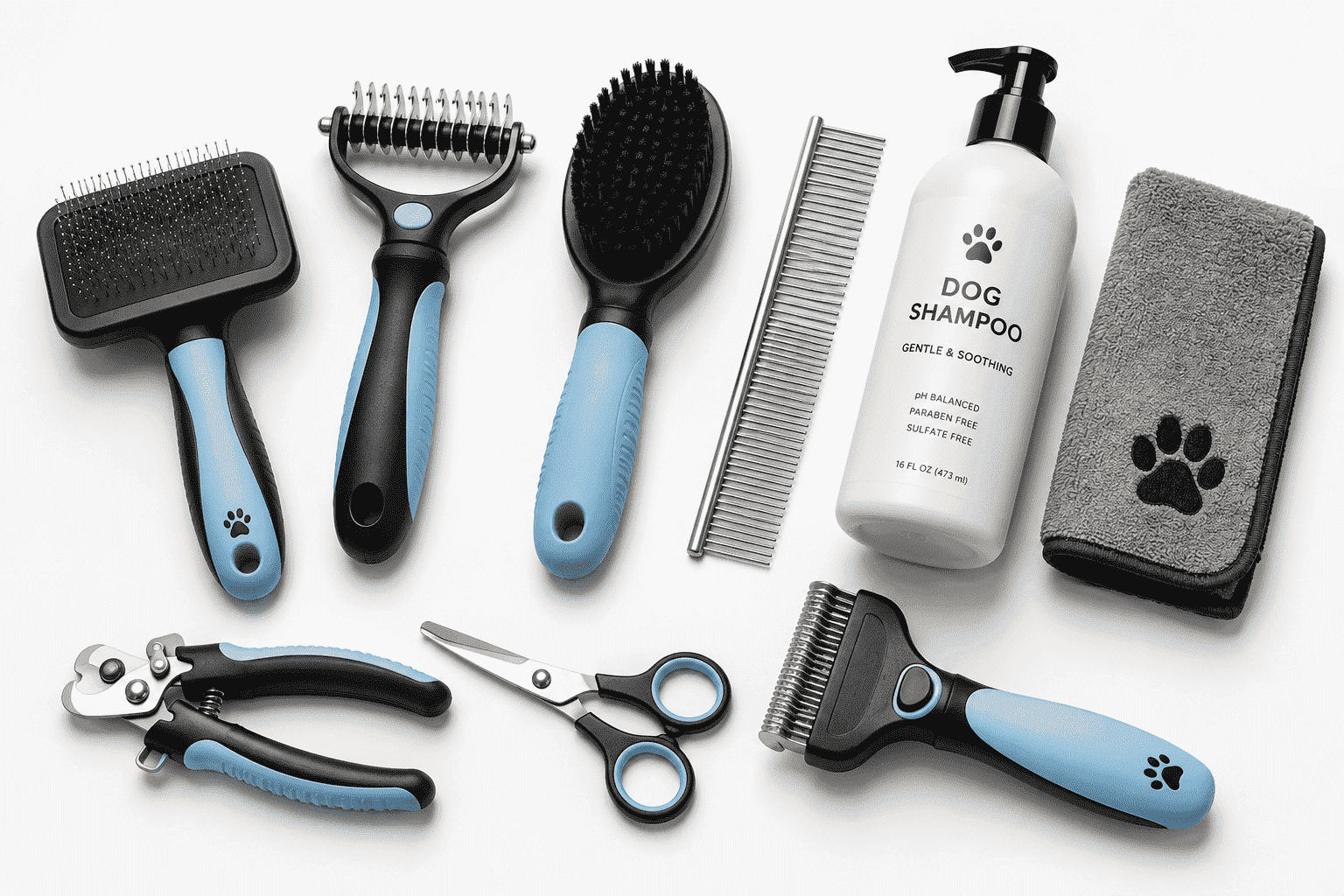
The best shedding brush depends on what your dog is actually shedding. A short-coated dog that drops surface hair needs a different tool from a Husky blowing dense undercoat, and a curly coat that mats should not automatically be treated with an aggressive deshedding edge.
| Tool type | Best for | Avoid when |
|---|---|---|
| Undercoat deshedding tool | Heavy double-coated shedders | The dog has a single, delicate or mat-prone coat |
| Slicker brush | Loose surface hair, tangles and longer coats | You are pressing hard against thin skin |
| Undercoat rake | Dense coats with substantial loose undercoat | The coat is fine, short or easily damaged |
| Rubber curry brush | Short coats and gentle loose-hair removal | Deep undercoat removal is the main goal |
| Metal comb | Checking tangles after brushing | You are trying to rip through a tight mat |
Tools such as the FURminator Undercoat deShedding Tool are designed to reach through the topcoat and collect loose undercoat. They make the most sense on breeds that genuinely carry a shedding undercoat. Size and coat-length versions matter, so match the exact tool to the dog instead of choosing only by brand name.
Use carefully: more passes are not automatically better. Overuse can irritate skin or remove more coat than intended.
Slickers use many fine pins to separate coat, collect loose hair and work through light tangles. They are especially useful for medium, long, wavy and curly coats that need regular maintenance. The pins should glide through the coat without being driven into the skin.
An undercoat rake can move through thick coat and lift loose undercoat with less “blade” feel than some deshedding edges. Tooth length matters: it should reach the loose layer without scraping the skin.
Flexible rubber brushes are useful on many short coats because they can loosen surface hair while providing a gentler massage-like motion. They are not a replacement for a true undercoat tool on a dense double coat, but they are often easier to tolerate for short grooming sessions.
A comb is not the fastest shedding remover, but it is excellent for checking whether tangles remain after brushing, particularly behind ears, around feathering and in other friction areas.
Use regular brushing to keep the coat separated, then add an undercoat-specific tool during heavier shedding if the dog tolerates it.
Focus on slicker brushing and combing to prevent tangles. Do not assume a deshedding edge is appropriate simply because loose hair is present.
A rubber curry or gentle short-coat brush may be enough for routine loose hair.
Start with the dog dry and comfortable. Work in small sections and use your free hand to feel the skin under the coat. If the tool snags, stop and separate the area rather than pulling harder. Heavy seasonal shedding can tempt owners to keep brushing until no more hair comes out, but that is not a useful finish line; healthy coat should remain in place.
For dogs that dislike grooming, split the job into short sessions and pair calm handling with something the dog values. A technically perfect brush is not useful if the dog becomes increasingly fearful every time it appears.
Breed lists can be helpful, but individual coats vary. Mixed breeds may have a dense undercoat in one area and a softer single-coat texture elsewhere. Look at the actual coat: is there a soft layer beneath guard hairs, does it mat easily, does the dog shed in seasonal clumps, and can you see skin easily through the hair? Those observations are more useful than choosing a tool only because a product page lists your breed.
Seek professional help when mats are tight against the skin, the dog has irritated or painful skin, the coat is heavily impacted, or safe handling is difficult. Groomers can also show you which brush shape and tooth length suit your dog so home maintenance becomes easier between appointments.
It can remove loose hair, but its primary job is general coat maintenance and light detangling. A dedicated undercoat tool targets loose undercoat more specifically.
There is no universal schedule. Coat type, season, tool design and skin tolerance matter. Follow the tool maker’s instructions and use the least aggressive routine that keeps the coat comfortable.
Do not drag a sharp or aggressive tool through a tight mat. Severe matting can be painful and may require a professional groomer.
For heavy double-coated shedding, an undercoat tool can be useful. For regular coat care and tangles, a slicker plus comb is often more versatile. Short-haired dogs may do better with a rubber curry brush. Start with coat type, not marketing claims.
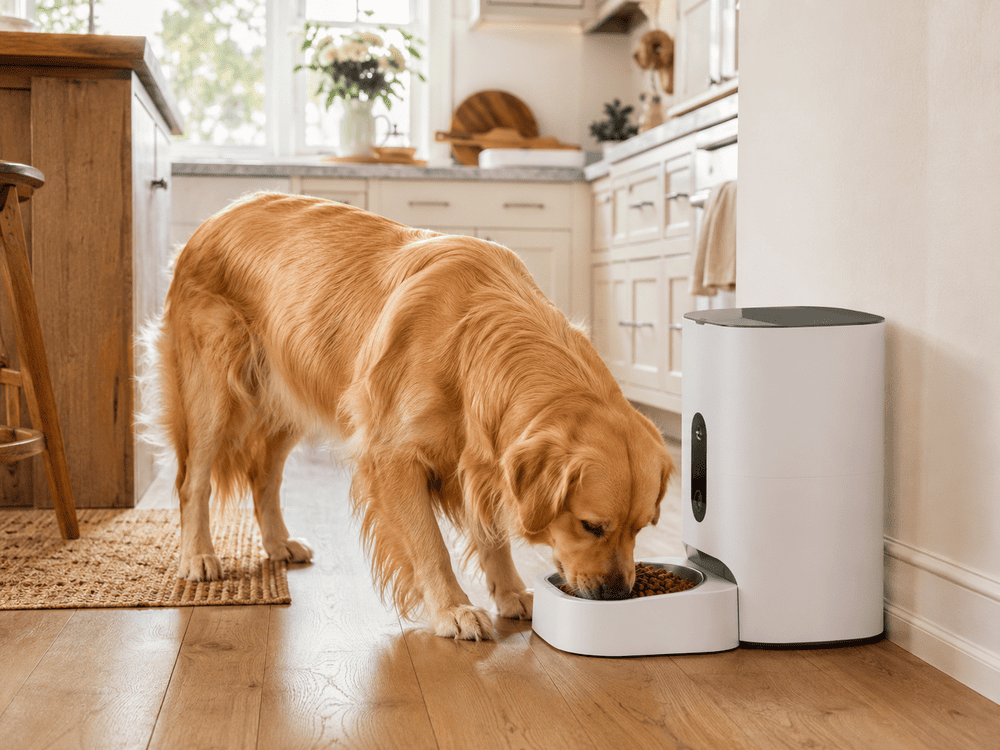
Compare three automatic dog feeders for app control, reliable offline scheduling and larger food capacity, plus the trade-offs that matter before buying.
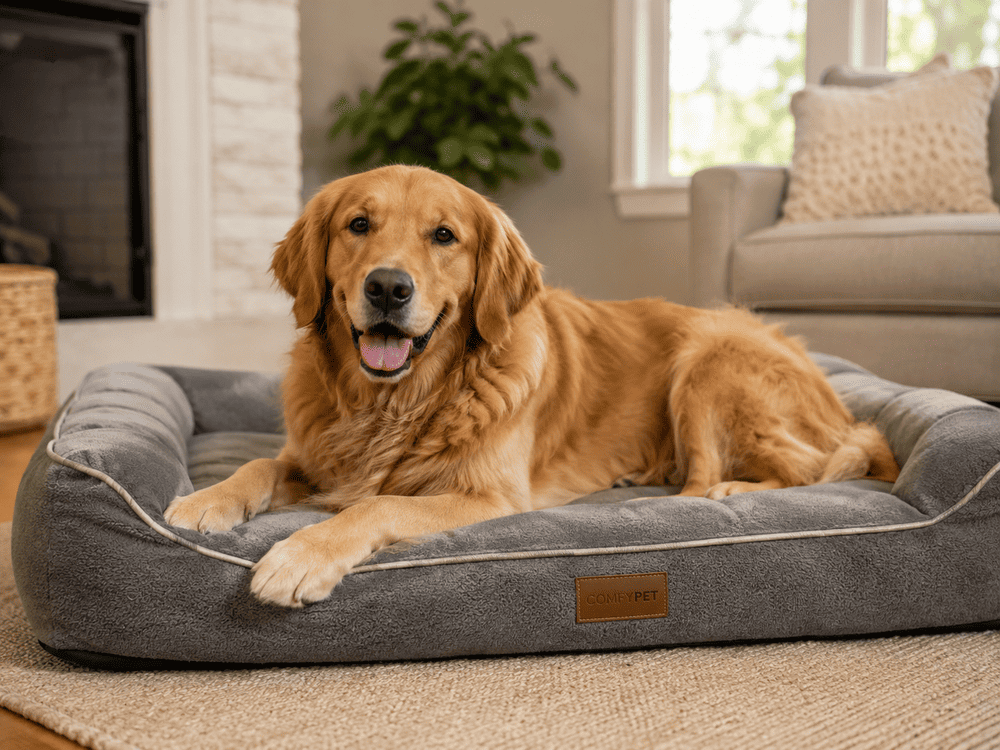
Compare supportive dog beds for large and giant breeds, including orthopedic foam, washable covers, access height and sizing trade-offs.
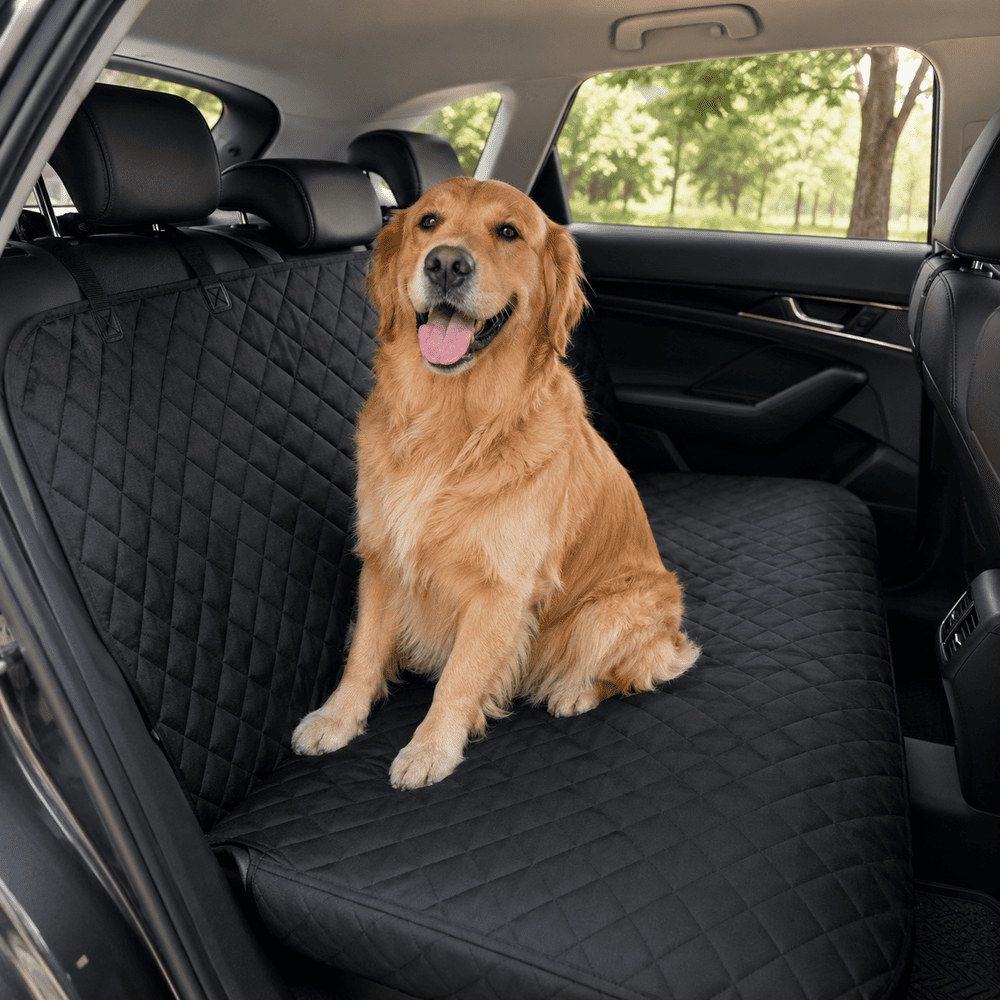
Compare dog car seat covers for waterproof protection, hammock use, seatbelt access and fit, with three current research-backed picks.