Best Automatic Dog Feeders in 2026
Compare three automatic dog feeders for app control, reliable offline scheduling and larger food capacity, plus the trade-offs that matter before buying.
📅 July 9, 2026
Compare slicker brushes and deshedding tools for dogs. Learn which tool fits tangles, double coats, seasonal shedding and everyday grooming.
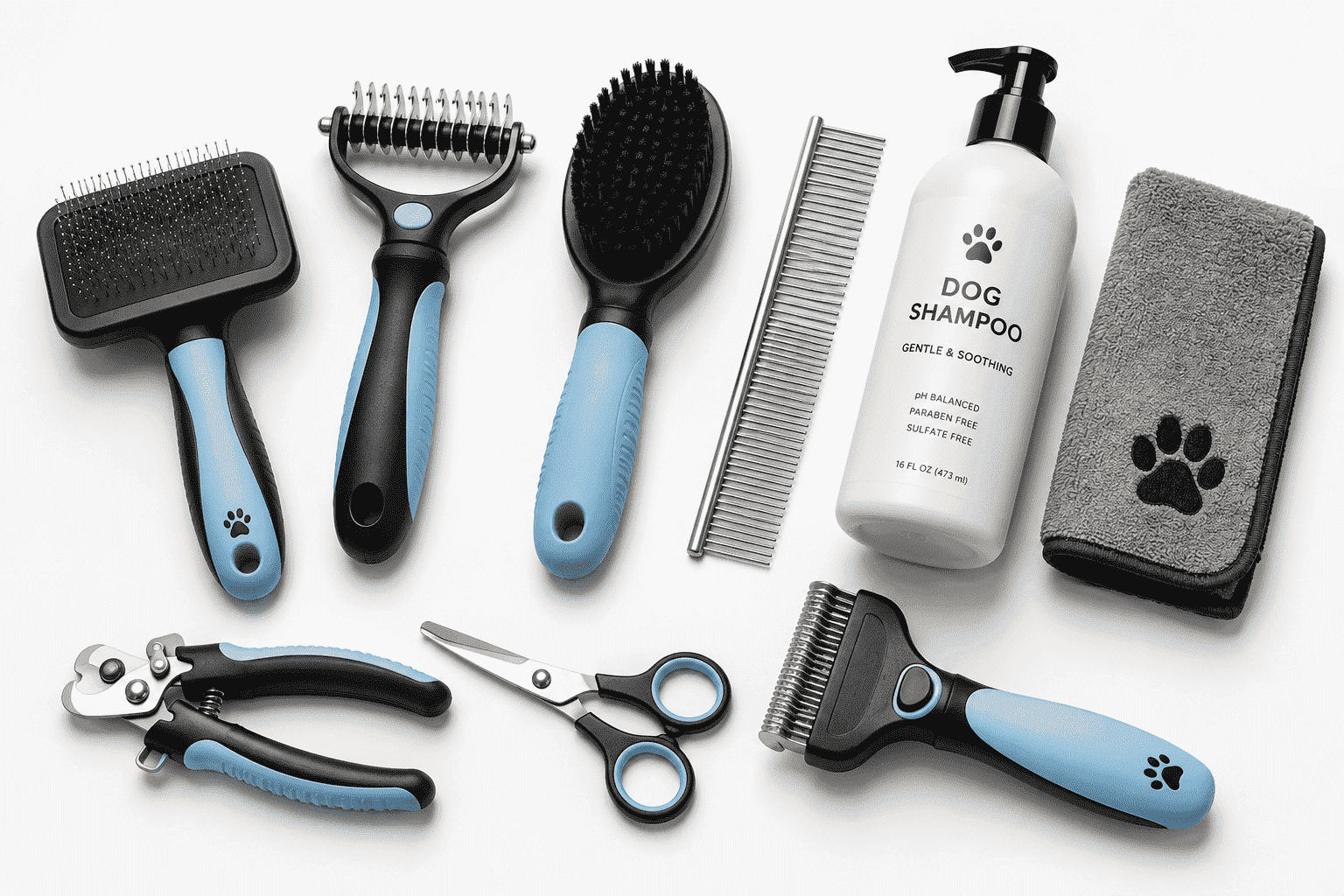
A slicker brush and a deshedding tool can both collect loose hair, but they are not interchangeable. A slicker is primarily an everyday coat-maintenance and detangling tool. A deshedding tool is designed to target loose undercoat in dogs that actually have one.
| Slicker brush | Deshedding tool | |
|---|---|---|
| Primary job | Separate coat, remove loose surface hair, work light tangles | Remove loose undercoat |
| Best match | Curly, wavy, long and many medium coats | Double-coated heavy shedders |
| Frequency | Often suitable for routine maintenance | Usually used more selectively |
| Main risk | Brush burn from hard pressure | Overuse, skin irritation or coat damage on the wrong coat |
Choose a slicker when your main problems are tangles, surface debris, loose topcoat and keeping a longer coat separated. Many poodles, doodles, spaniels and long-coated dogs need regular line-by-line brushing followed by a comb check rather than aggressive undercoat removal.
The pins should work through coat, not scrape skin. If the dog flinches or the skin becomes red, reduce pressure or stop.
Choose a deshedding tool when the dog has a genuine undercoat and sheds it heavily. Golden Retrievers, German Shepherds, Huskies and many other double-coated breeds can release substantial loose undercoat seasonally. An appropriate undercoat tool can remove that loose layer more efficiently than surface brushing alone.
Do not treat deshedding as a daily competition to remove as much hair as possible. Healthy coat should remain in place.
Yes, if the coat type calls for both jobs. A common sequence is to gently remove tangles and separate coat first, then use the undercoat tool only where appropriate. Finish with a comb or brush to check the result.
Slicker and metal comb are usually the more important pair because mat prevention is the priority.
Use a gentle slicker or pin-style brush plus comb; aggressive undercoat tools are not automatically appropriate.
Routine brush plus occasional undercoat-focused grooming can make sense.
A rubber curry brush may be gentler and more useful than either tool for everyday loose hair.
Both tools can irritate skin when used too aggressively. With a slicker, the common mistake is pushing the pins down until they scratch rather than letting the tips move through the coat. With a deshedding tool, repeated passes over the same spot can remove more hair than intended. Use light pressure, inspect the skin as you work, and stop before the dog becomes uncomfortable.
These two categories sit between the slicker-versus-deshedder choice. An undercoat rake can be useful for thick coats where loose undercoat needs lifting without using a fine deshedding edge. A rubber curry brush can be excellent on short coats where the main goal is loosening surface hair and dander. If neither a slicker nor a deshedding tool seems like a good fit, one of these alternatives may be the better answer.
Let the dog investigate the tool, reward calm behavior, then make only a few gentle passes in an easy area such as the shoulder. Build duration slowly. If the dog has learned that grooming predicts pulling or discomfort, changing the tool without changing the handling routine will not solve the problem.
If the problem is tangles and routine maintenance, start with a slicker. If the problem is a shedding undercoat, use an appropriate deshedding tool selectively. The safest answer is determined by coat structure, not by which tool removes the biggest pile of hair.
Best Dog Grooming Tools in 2026 • Best Dog Brushes for Shedding in 2026
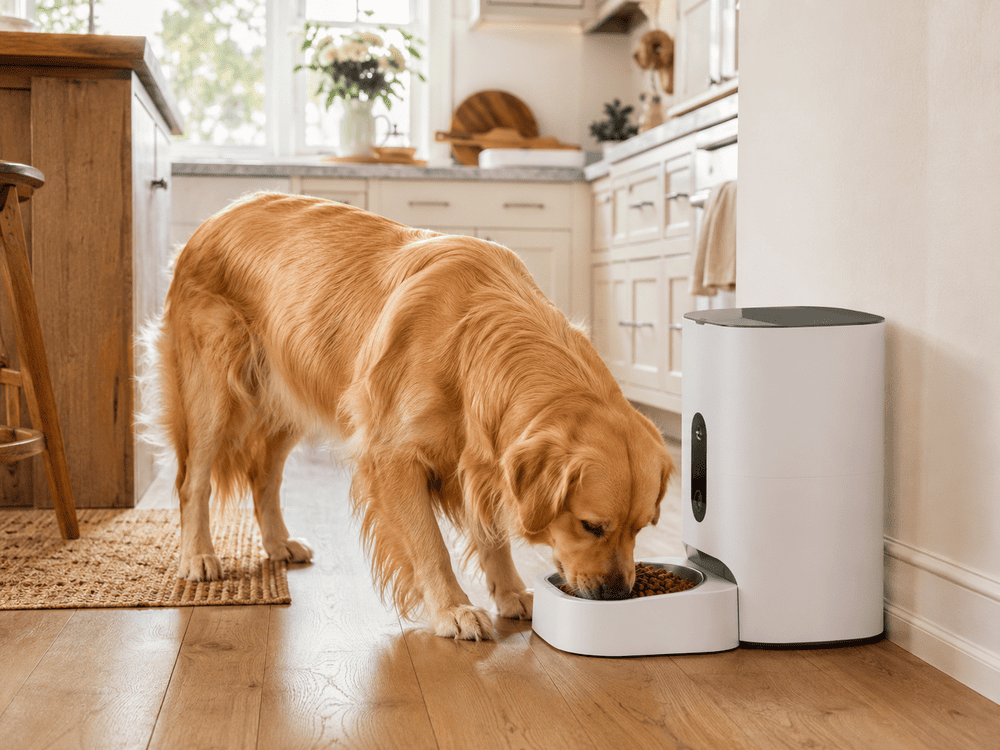
Compare three automatic dog feeders for app control, reliable offline scheduling and larger food capacity, plus the trade-offs that matter before buying.
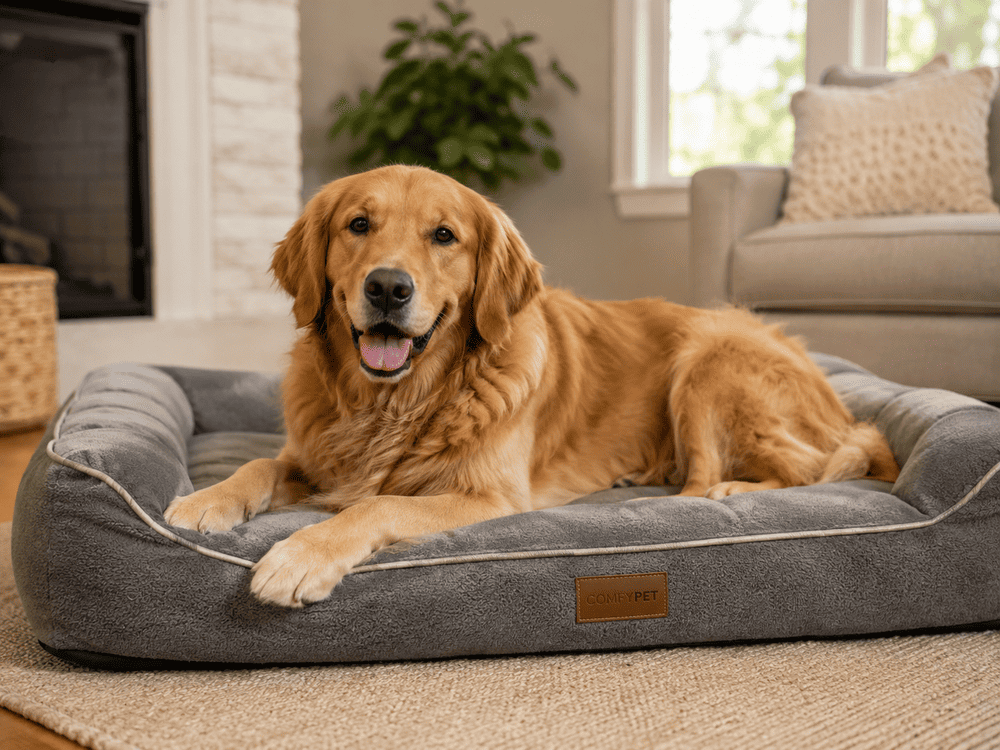
Compare supportive dog beds for large and giant breeds, including orthopedic foam, washable covers, access height and sizing trade-offs.
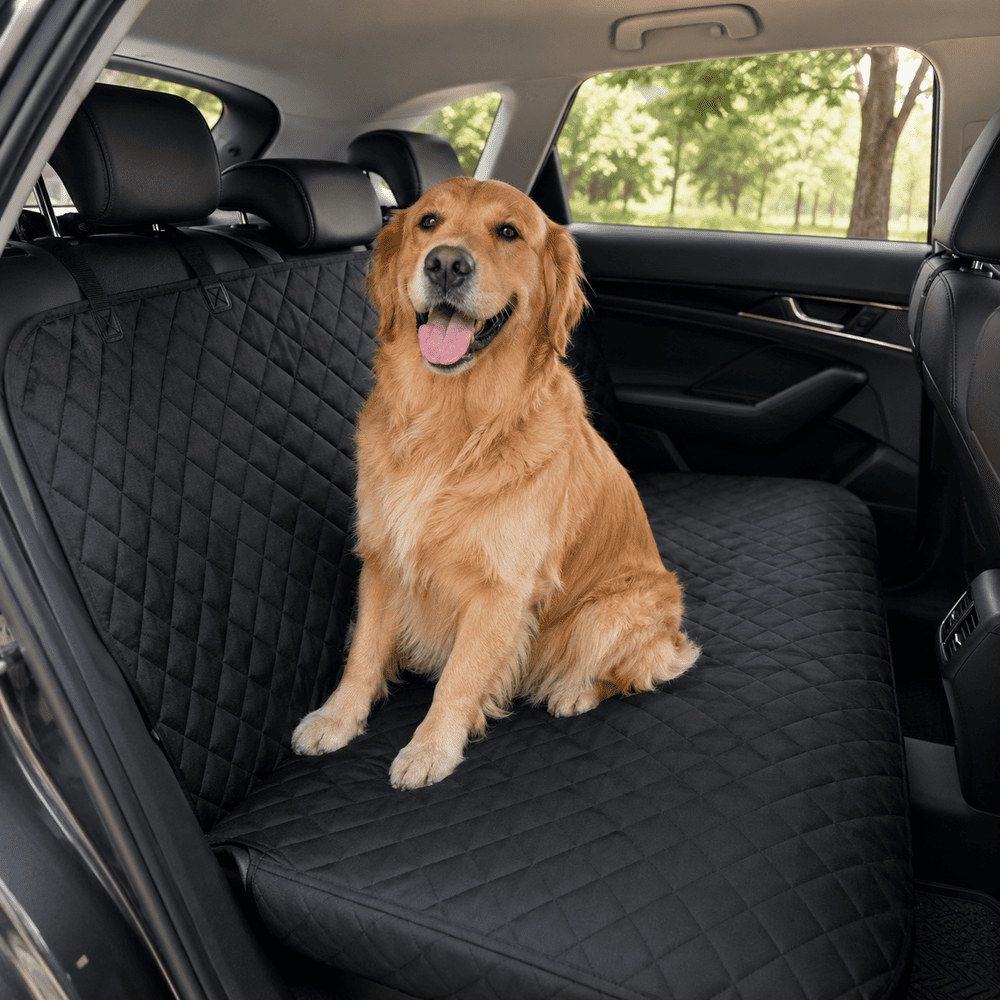
Compare dog car seat covers for waterproof protection, hammock use, seatbelt access and fit, with three current research-backed picks.