Best Automatic Dog Feeders in 2026
Compare three automatic dog feeders for app control, reliable offline scheduling and larger food capacity, plus the trade-offs that matter before buying.
📅 July 9, 2026
Compare 4 dog grooming tools for brushing, shedding, clipping and nail care, with coat-type guidance, pros, cons and research-based 2026 advice.
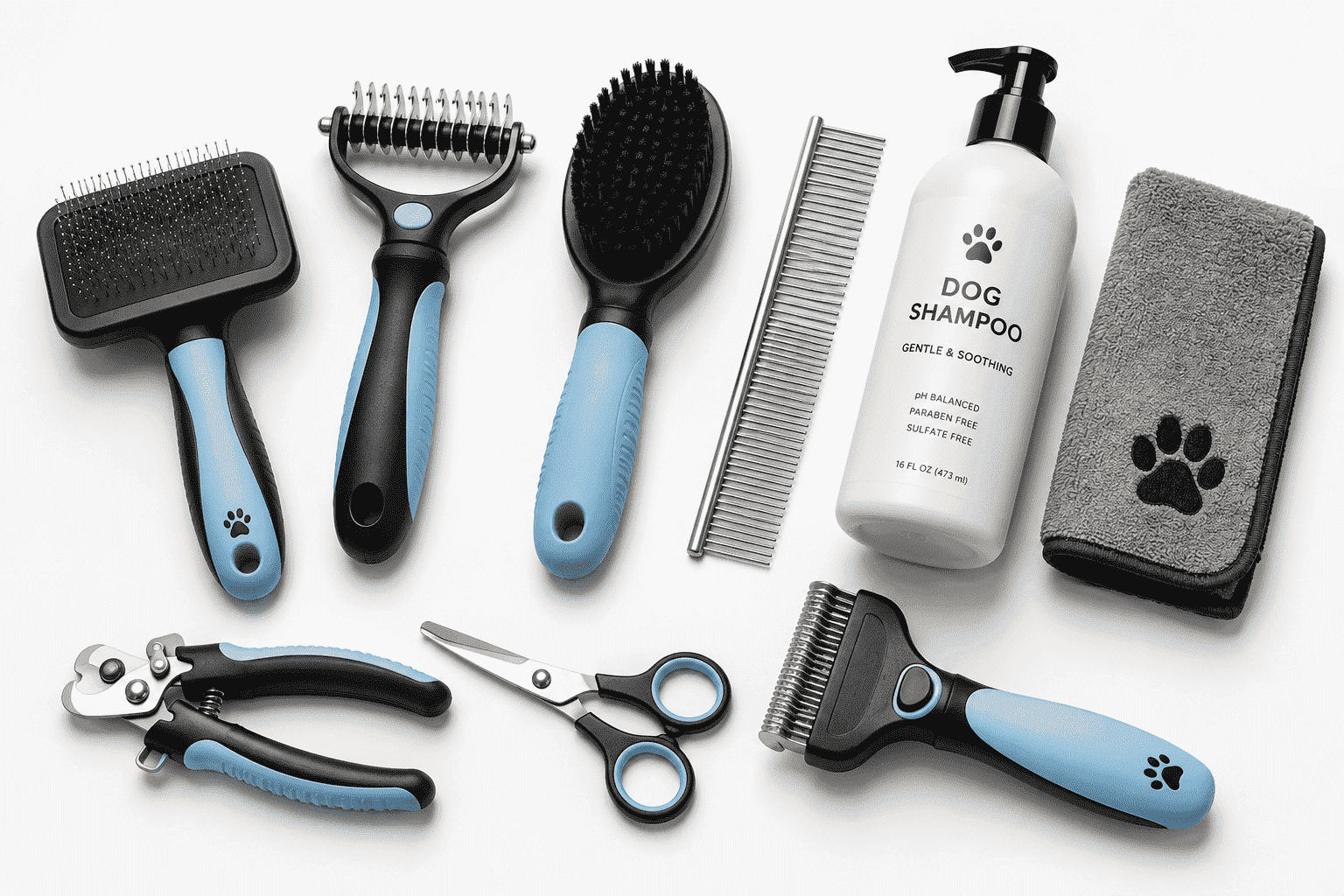
At-home dog grooming gets easier when each tool has a specific job. A slicker brush is not a substitute for an undercoat tool, clippers do not replace brushing, and a nail grinder solves a completely different problem. For this 2026 research-based guide, Modern Pet Picks compared four established tools that together cover the most common coat and nail-care needs.
| Product | Best for | Key reason to consider it | Main limitation |
|---|---|---|---|
| Chris Christensen Big G Slicker Brush | Long, dense and curly coats | 27 mm stainless-steel pins, dense pin pattern and flexible cushion pad for working through substantial coat | Premium price and too much tool for many short smooth coats |
| FURminator Undercoat deShedding Tool | Heavy shedding and suitable double coats | Stainless-steel deShedding edge reaches loose undercoat while the curved skin guard follows the body | Not intended for non-shedding breeds or particularly sensitive skin |
| Dremel 7760 PawControl | Gradual nail shortening | Four speeds plus a clear nail-guard attachment for controlled grinding | Noise and vibration require gradual conditioning |
| Wahl Deluxe Pro Series Cordless | Home clipping and coat trims | Lithium-ion cordless clipper with up to two hours of runtime and four guide comb lengths | Full-body clipping still requires skill, coat preparation and blade care |
We did not try to name four versions of the same brush. Instead, we selected tools that solve different grooming jobs: detangling and line brushing, seasonal undercoat removal, nail maintenance and clipping. We prioritized products with clear manufacturer documentation, established replacement or care information, and features that are easy for an owner to understand before purchase.
The most important question is not “Which tool removes the most hair?” It is “Which tool is appropriate for this dog’s coat and this grooming task?” Removing healthy coat or scraping skin is not an advantage. For that reason, coat type, pressure, frequency and technique are part of every recommendation below.
The Big G is designed around long, dense coats. Chris Christensen specifies 27 mm stainless-steel pins, a flexible cushion pad and a pin layout with more pins than its Big K line. The long bent pins are intended to penetrate longer coat and help lift, separate and detangle hair. The brush is sold in Large, Medium and Baby sizes so the same general design can be matched to a torso, legs or tighter areas.
Who should choose it: Owners of Poodles, Doodles, Bichon-type coats and other long or dense coats who need a serious slicker for section-by-section brushing.
Who should skip it: Owners of very short smooth coats that are better served by a rubber curry, bristle tool or another coat-appropriate brush.
The FURminator Undercoat deShedding Tool is designed for dogs that actually shed an undercoat. The stainless-steel edge reaches through the topcoat to collect loose undercoat, while a curved skin guard follows the body and the FURejector button helps clear captured hair. FURminator sells different sizes and coat-length versions, so choosing the correct model matters.
The manufacturer’s own FAQ is also an important reason we treat this as a specialized tool rather than an everyday brush: it says the undercoat deShedding tool should not be used on non-shedding breeds or pets with particularly sensitive skin. FURminator suggests typical use around one to two times per week for roughly 10–20 minutes, adjusted to the individual dog and coat.
Who should choose it: Owners of appropriate double-coated or shedding dogs dealing with seasonal loose undercoat.
Who should skip it: Non-shedding breeds, dogs with particularly sensitive skin, or anyone looking for a general-purpose daily brush.
Dremel’s 7760-PGKD PawControl is a cordless 4V pet nail tool with four speed settings. The kit includes a clear nail-guard attachment and accessories that allow either guarded disc trimming or freehand grinding. Dremel positions the guard as a way to approach the nail at a more controlled angle and depth, which can be reassuring for owners learning to grind rather than clip.
The tool still does not make nail care automatic. You need to identify the quick, remove small amounts at a time and keep long paw hair away from the rotating accessory. Dremel recommends gradual familiarity with the sound and vibration before expecting a dog to tolerate a complete session.
Who should choose it: Owners who prefer gradual nail shortening and are willing to condition their dog to a powered tool.
Who should skip it: Dogs that cannot safely tolerate the sound or handling, unless a professional can help establish a calmer routine.
Wahl’s Deluxe Pro Series Cordless rechargeable pet clipper is designed for full-body clipping and is listed for small, medium and large dogs. Wahl specifies a lithium-ion battery with up to two hours of runtime and a quick-charge function. The kit includes four guide combs—1/8, 1/4, 3/8 and 1/2 inch—plus scissors, cleaning brush, oil and a storage case.
A clipper is most useful after the coat has been brushed, detangled and prepared. Trying to push a clipper through compacted mats is uncomfortable and can be unsafe. Owners of breeds with coat-care requirements they do not fully understand should learn the appropriate clipping routine before removing coat.
Who should choose it: Owners who regularly trim a clipper-appropriate coat and want a cordless home kit.
Who should skip it: Anyone dealing with severe matting, skin problems or a coat they are unsure is appropriate to clip.
| Coat situation | Useful starting tool | Why |
|---|---|---|
| Curly or long coat | Slicker brush + metal comb | A slicker works through sections while the comb helps check whether tangles remain near the skin. |
| Heavy double-coat shedding | Regular brush + undercoat tool used selectively | Routine brushing maintains the coat; a deShedding tool is reserved for appropriate loose undercoat. |
| Short smooth coat | Rubber curry or bristle-style tool | Long aggressive pins are usually unnecessary for a very short coat. |
| Clipper-maintained coat | Slicker/comb before clippers | A clean, detangled coat helps guide combs and blades move more consistently. |
| Nails | Grinder or pet nail clippers | Nail care is separate from coat grooming and should be approached gradually. |
A slicker brush is primarily a brushing and detangling tool. A deShedding edge is more specialized: it is designed to reach loose undercoat on dogs whose coats are appropriate for that technique. If the goal is everyday coat maintenance, start with the brush that matches the coat. If the dog is blowing undercoat seasonally, a deShedding tool may be an additional tool rather than a replacement.
Clippers remove a section of nail in one cut. Grinders remove nail more gradually and can smooth the edge, but they add sound, vibration and heat. Neither option removes the need to understand the quick. The best choice is the one you can use calmly, visibly and consistently without rushing the dog.
Most owners need a coat-appropriate brush or comb and a safe nail-care method. Clippers, deShedding tools and specialty dematting tools are additional equipment only when the dog’s coat and routine actually require them.
There is no universal schedule. Smooth short coats may need relatively light maintenance, while long, curly and mat-prone coats can require much more frequent brushing. Seasonal shedding also changes the workload.
No. It is a specialized undercoat deShedding tool for suitable shedding coats, not a universal everyday brush.
That can be dangerous because skin may be pulled into the mat. Tight or extensive matting is a good reason to use a professional groomer or veterinary team instead of attempting blind cutting close to the skin.
They offer more gradual removal, but they are not risk-free. Heat, the quick, moving fur and a frightened dog all need to be managed carefully.
For long and curly coats, the Chris Christensen Big G is the strongest brush in this shortlist. For true heavy undercoat shedding, use the correctly sized FURminator selectively rather than as an everyday brush. The Dremel 7760 is the most useful dedicated nail-care tool here, while the Wahl Deluxe Pro Series adds clipping capability for owners whose dogs have clipper-appropriate coats.
The better strategy is a small, coat-specific kit—not a box of ten generic tools. Start with the brush your dog actually needs, then add nail or clipping tools only when those jobs are part of the routine.
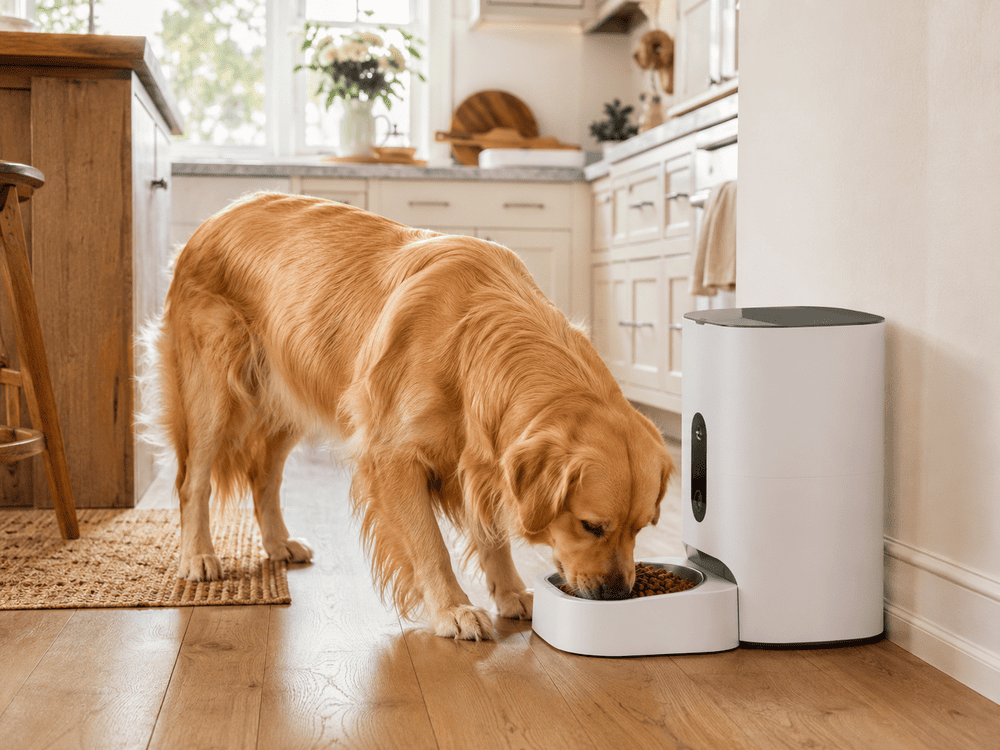
Compare three automatic dog feeders for app control, reliable offline scheduling and larger food capacity, plus the trade-offs that matter before buying.
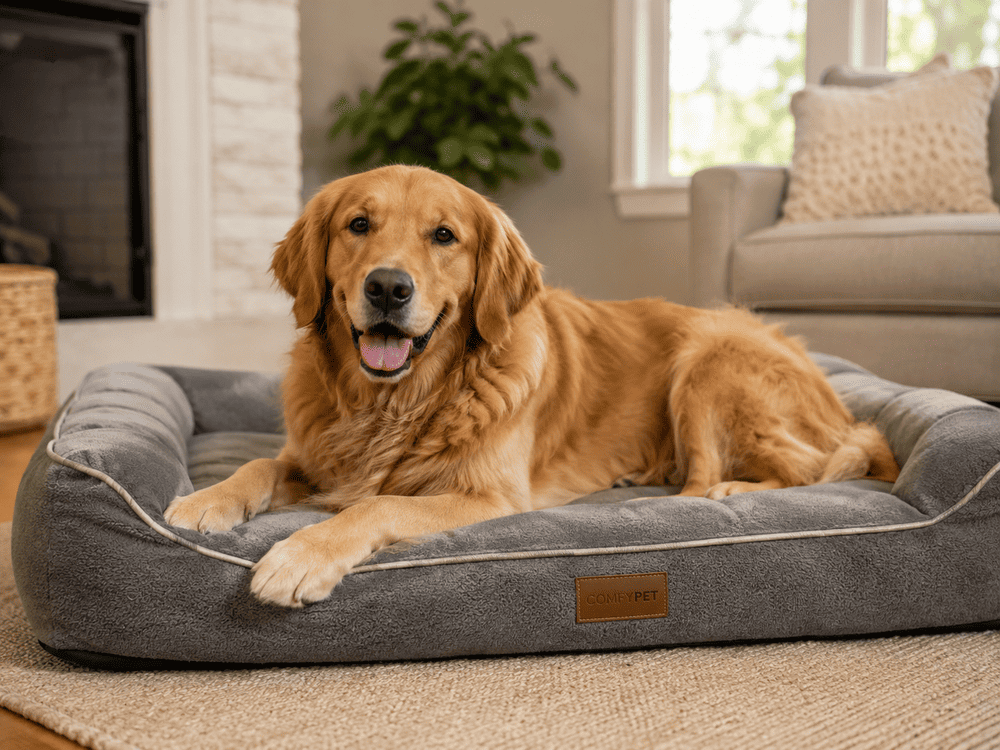
Compare supportive dog beds for large and giant breeds, including orthopedic foam, washable covers, access height and sizing trade-offs.
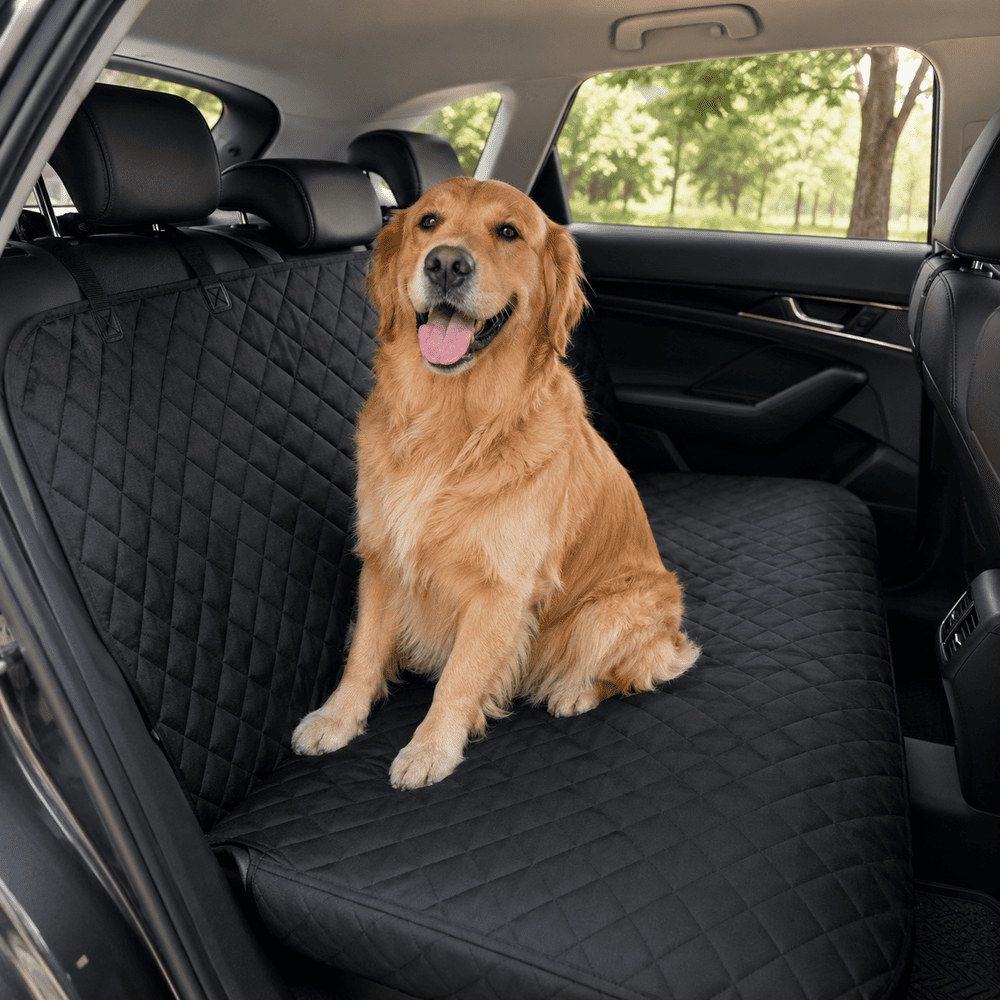
Compare dog car seat covers for waterproof protection, hammock use, seatbelt access and fit, with three current research-backed picks.