Best Dog Beds for Large Dogs in 2026
Compare supportive dog beds for large and giant breeds, including orthopedic foam, washable covers, access height and sizing trade-offs.
📅 July 9, 2026
Compare three automatic dog feeders for app control, reliable offline scheduling and larger food capacity, plus the trade-offs that matter before buying.
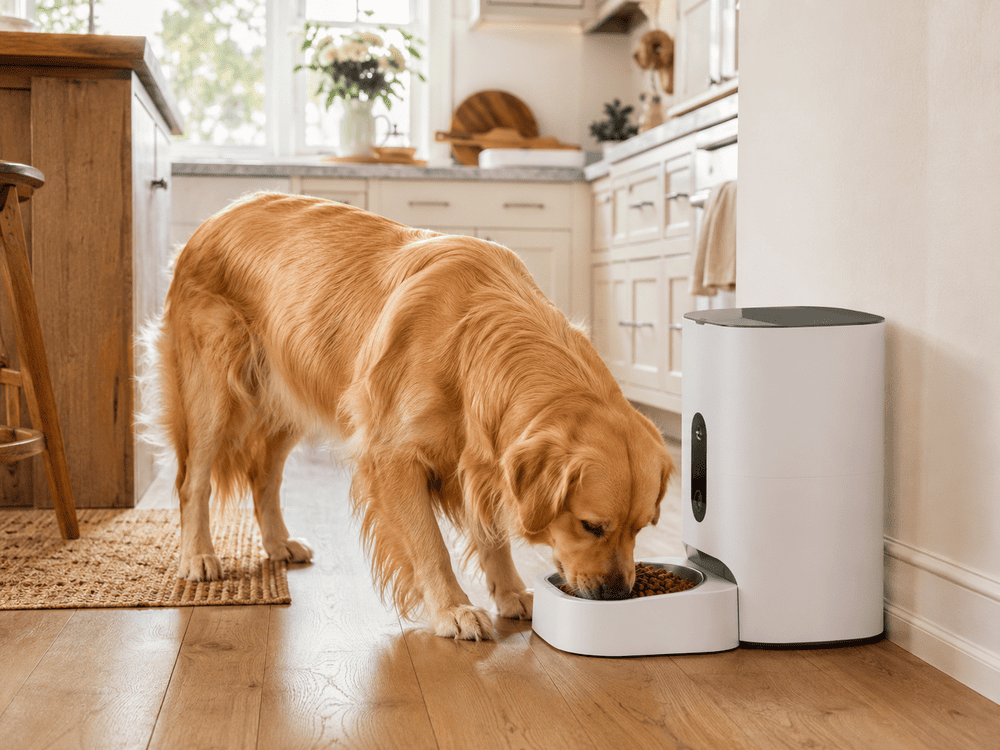
An automatic feeder is most useful when it reliably serves the right amount of food at the right time. For dogs, hopper capacity, kibble compatibility, power backup, cleaning and whether the schedule survives a Wi-Fi outage matter more than flashy app features.
| Product | Best for | Why it stands out |
|---|---|---|
| PetSafe Smart Feed Automatic Pet Feeder, 2nd Generation | app-controlled schedules | PetSafe combines phone-based scheduling with a 24-cup hopper, up to 12 scheduled meals and an optional battery backup. It is a practical smart option for owners who want remote control without giving up local scheduled feeding. |
| PetSafe Healthy Pet Simply Feed | reliable non-Wi-Fi scheduling | This model focuses on programmable feeding instead of app control. It holds 24 cups and can schedule up to 12 meals, making it attractive for owners who prefer a local control panel and do not want Wi-Fi to be part of the feeding routine. |
| Whisker Feeder-Robot | high-capacity smart feeding | Whisker gives this feeder a larger dry-food capacity than the PetSafe models here, along with app scheduling and an offline schedule that remains stored locally. Its anti-jam design is also useful when the feeder is expected to run every day. |
We started with the real buying decision rather than a popularity list. The shortlist favors products with current manufacturer documentation and compares the features that materially affect fit, safety, maintenance, reliability and everyday use. We also call out limitations because a product can be well made and still be wrong for a particular dog, cat, home or routine.
PetSafe combines phone-based scheduling with a 24-cup hopper, up to 12 scheduled meals and an optional battery backup. It is a practical smart option for owners who want remote control without giving up local scheduled feeding.
Key features: 24-cup capacity; up to 12 meals; My PetSafe app; AC power with optional D-cell battery backup; stainless-steel bowl; slow-feed mode.
Advantages: Large hopper, remote scheduling, feed-now control, backup-power option and a mature feeder platform.
Limitations: The smart features depend on 2.4 GHz Wi-Fi for remote access, and the unit takes more counter/floor space than compact feeders.
Who should choose it: Choose it if you want app control and a large dry-food hopper for a small-to-medium dog.
Who should skip it: Skip it if you feed mainly wet food or want a tiny travel-friendly feeder.
This model focuses on programmable feeding instead of app control. It holds 24 cups and can schedule up to 12 meals, making it attractive for owners who prefer a local control panel and do not want Wi-Fi to be part of the feeding routine.
Key features: 24-cup hopper; up to 12 meals; 1/8- to 4-cup scheduled portions; slow-feed option; dry or semi-moist kibble compatibility; battery power with optional adapter.
Advantages: No app required, broad portion range, slow-feed mode and removable dishwasher-safe food-contact parts.
Limitations: Programming is done on the unit, and it lacks remote alerts or phone-based schedule changes.
Who should choose it: Choose it if dependable local scheduling matters more than smart-home features.
Who should skip it: Skip it if you need remote monitoring or app notifications.
Whisker gives this feeder a larger dry-food capacity than the PetSafe models here, along with app scheduling and an offline schedule that remains stored locally. Its anti-jam design is also useful when the feeder is expected to run every day.
Key features: Up to 32 cups without the hopper insert; up to 8 scheduled meals per day plus snacks; app control; local offline schedule; anti-jam system; 1/8-cup dispensing increments.
Advantages: Very large hopper, local schedule continues offline, remote snack dispensing and strong scheduling flexibility.
Limitations: Premium price and dry/semi-moist food limitations; the large body is unnecessary for owners feeding small daily quantities.
Who should choose it: Choose it if capacity, app control and offline schedule resilience are your priorities.
Who should skip it: Skip it if budget and compact size matter more than capacity.
Check the manufacturer's maximum kibble size and whether the dispenser supports only dry food or also semi-moist food. A feeder that jams with your dog's usual food is not useful, regardless of its app.
Look for battery backup or a locally stored schedule. Remote control can disappear during an internet outage, but scheduled meals should not disappear with it.
Cup labels in apps do not always match the exact weight of every kibble. Measure a few dispensed meals with your own food before relying on the schedule.
Removable bowls and food-contact components are easier to keep sanitary. Oils and crumbs accumulate in hoppers and dispensing paths over time.
A determined dog can test lids and dispenser openings. Consider how secure the hopper and chute are if your dog is food motivated.
No. It can automate meal timing, but it cannot replace fresh water checks, exercise, medication decisions, cleaning, observation or emergency help.
They can be, but verify the maximum portion size and hopper capacity. A feeder designed around cat-sized portions may require too many meal events for a large dog.
That depends on the model. Prefer feeders that store schedules locally so normal meals continue even when remote app access is unavailable.
We verify product names and category-defining specifications against current manufacturer information, distinguish research from hands-on testing, and focus on the trade-offs a buyer can actually use. When an app, battery, subscription, replacement part, compatible consumable or specific fit requirement is central to a product, that dependency belongs in the comparison rather than being hidden in fine print.
Pet-product information can change after publication. Recheck current sizing, compatibility, care and safety instructions before purchase. Product guides are general information and are not a substitute for veterinary advice when a pet has a medical, mobility, nutrition or behavior concern.
For app control, PetSafe Smart Feed is the balanced option. Healthy Pet Simply Feed is better for owners who want programmable feeding without Wi-Fi, while Feeder-Robot is the capacity-focused premium choice. Whichever you choose, test several meal cycles with your dog's actual kibble before depending on it.
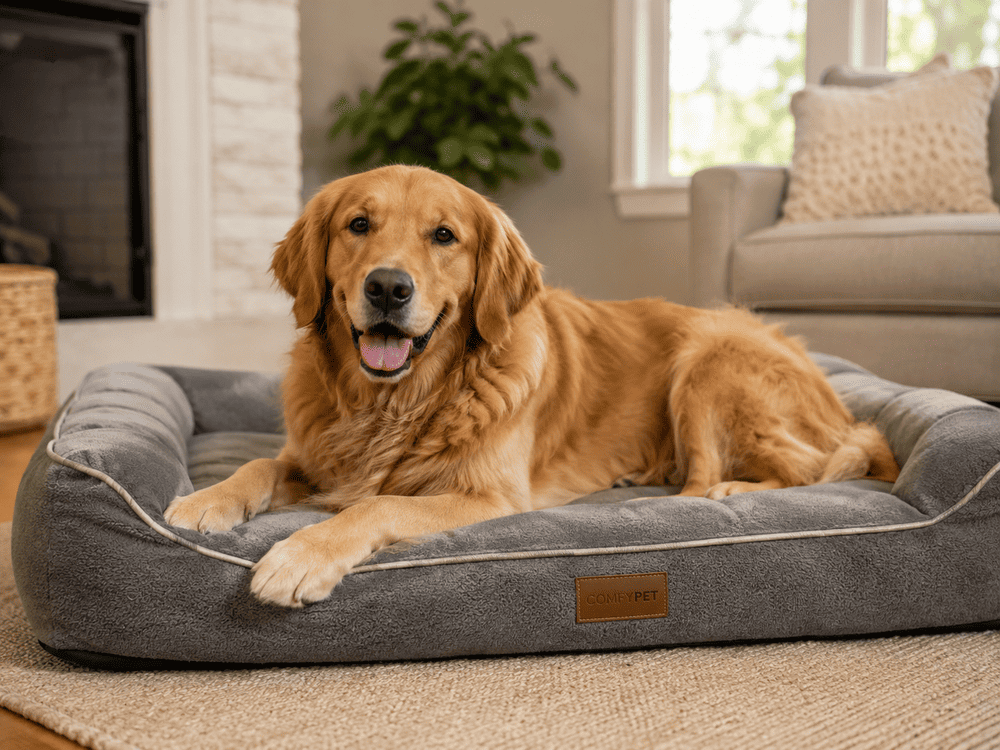
Compare supportive dog beds for large and giant breeds, including orthopedic foam, washable covers, access height and sizing trade-offs.
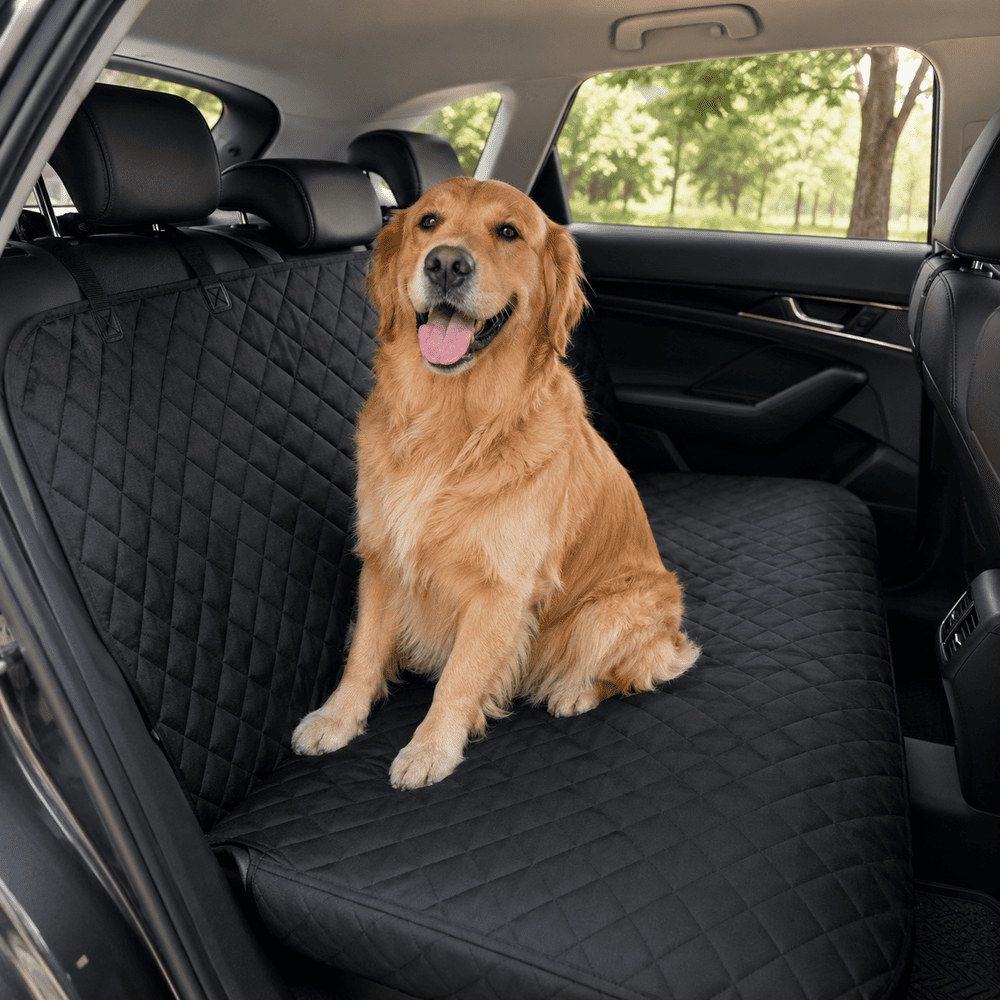
Compare dog car seat covers for waterproof protection, hammock use, seatbelt access and fit, with three current research-backed picks.
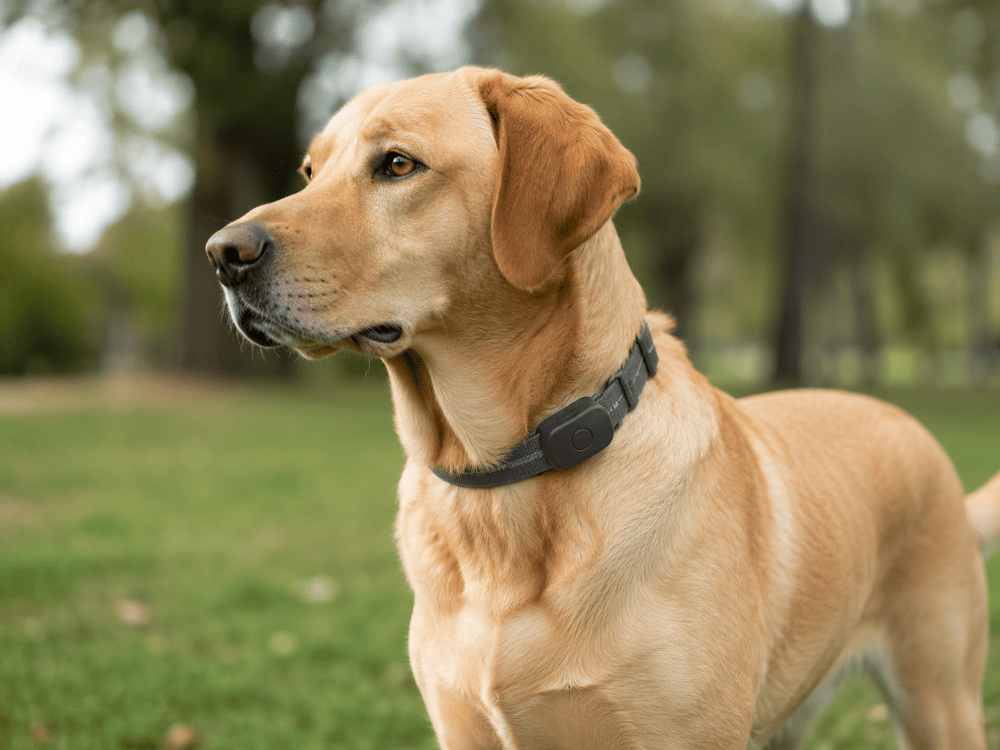
Compare Tractive DOG 6, Fi Series 3+, Fi Ultra and Garmin Alpha LTE by tracking, battery, coverage and subscriptions, plus why AirTag is different.