Best Automatic Pet Feeders for Dogs and Cats in 2026
Compare smart, camera, wet-food, and microchip feeders to find the right automatic feeding setup for your cat or dog
📅 July 29, 2026
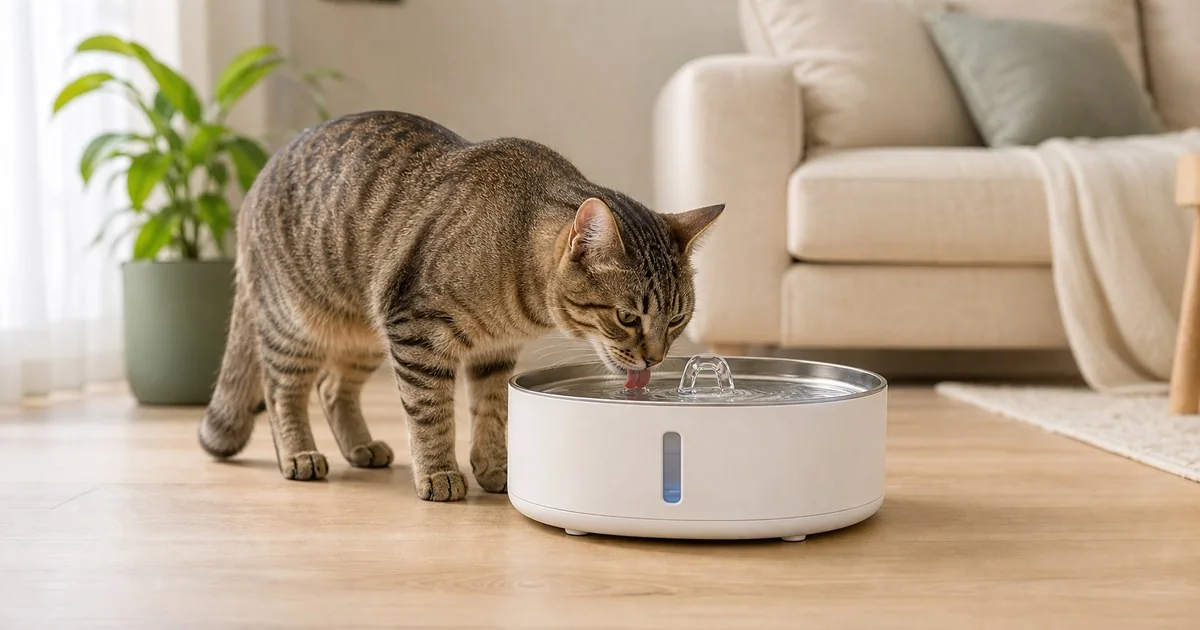
Compare quiet, stainless-steel, cordless, and smart cat fountains that are practical to clean and maintain.
Disclosure: Modern Pet Picks may earn a commission if you buy through qualifying links added to this guide, at no extra cost to you. Our recommendations are based on product specifications, drinking-surface materials, capacity, cleaning requirements, filter availability, noise information, and suitability for typical cat households. We do not claim hands-on testing unless it is specifically stated.
The best pet water fountains for cats make fresh water easy to access while keeping daily cleaning and filter changes manageable for the person who owns them. Flowing water may encourage some cats to drink more, but preferences vary, so a fountain should complement—not replace—clean water bowls around your home.
Our best overall pick is the PetSafe Outlast because its pump-free water path removes one of the most awkward parts to clean in a traditional fountain. The PETLIBRO Dockstream 2 Smart Fountain is the better choice for app-based drinking data, while the Catit Stainless Steel Flower Fountain offers a practical three-liter design at a simpler level of technology.
Last reviewed: July 29, 2026. Product features, filter compatibility, and availability can change, so confirm current specifications before buying.
For more cat-focused recommendations, visit our Cat Products page. If app monitoring is important to you, compare additional devices in Smart Pet Tech.
A fountain is optional, not essential. Cats need constant access to clean, fresh water, and some prefer a wide, still bowl. Others are attracted to moving water. Cornell University’s feline hydration guidance notes that some cats increase their intake when offered a fountain, but individual preferences vary. Wet food can also contribute significant water to a cat’s diet.
International Cat Care recommends introducing a fountain gradually, disassembling and cleaning it thoroughly, and changing its filter according to the manufacturer’s instructions. It also advises providing multiple water sources in quiet, accessible places away from litter trays and not directly beside food.
A change in drinking can be medically important. Contact a veterinarian if your cat suddenly drinks much more or less than usual, seems weak or lethargic, has a poor appetite, vomits, has diarrhea, or shows signs of dehydration.
This is a research-based comparison. We reviewed current manufacturer documentation and prioritized:
Manufacturer sound levels and battery-life claims are measured under specific conditions and may not match every home. Mineral buildup, a low water level, an incorrectly seated pump, or trapped hair can make any fountain noisier.
Best for: Cat owners who want fewer submerged pump parts to scrub and a choice of capacities.
The PetSafe Outlast uses a magnetic HydroSpin mechanism instead of a traditional submersible pump. The motor sits away from the water and debris, while a removable cone cycles water into the drinking bowl. That design makes routine cleaning less fiddly than fountains with a small pump housing and cable in the reservoir.
Why it stands out: The easy-access water path addresses a real maintenance problem. PetSafe also offers three capacities, allowing a single-cat home to avoid an oversized tank while giving a multi-pet household a larger option.
What to know: “Pumpless” does not mean maintenance-free. The drinking parts still need regular washing, and the proprietary filter is an ongoing cost. The bowl is not an all-stainless design.
Best for: A cat owner who wants app-based drinking trends, maintenance alerts, and a large removable tank.
The plug-in PETLIBRO Dockstream 2 uses built-in scale sensors to estimate water intake and display drinking records in the PETLIBRO app. It supports both 2.4 GHz and 5 GHz Wi-Fi and provides reminders for low water, filter replacement, and cleaning.
Why it stands out: The app features are directly related to hydration and upkeep. Seeing a trend can help you recognize that your cat’s behavior changed, although the device should never be treated as a medical diagnostic tool.
What to know: The plug-in and cordless versions have different flow modes and power behavior, so verify which model you are ordering. PETLIBRO recommends frequent filter changes, and certain advanced wellness features may depend on an optional service plan.
Best for: Cats that enjoy a stream or bubbling flow and owners who want a familiar, widely supported fountain design.
The Catit Stainless Steel Flower Fountain pairs a three-liter plastic reservoir with a stainless-steel drinking cover. Its flower attachment creates three flow configurations, allowing you to try a gentle stream, bubbling top, or calm flow.
Why it stands out: It offers a large capacity, adjustable flow, and an easy-to-remove stainless drinking surface without requiring an app. Replacement filters and cleaning instructions are well documented by Catit.
What to know: Only the top drinking surface is stainless steel; the reservoir and internal structure are plastic. Catit recommends disassembling and cleaning the pump regularly, and the flower shape creates several small surfaces that need attention.
Best for: Cat owners who prefer a compact stainless-steel body and do not need app controls.
The Pioneer Pet Raindrop uses 18/8 stainless steel for its sculpted bowl and upper shell. Water circulates continuously through a replaceable charcoal filter, and the main fountain body is dishwasher safe.
Why it stands out: Its main drinking and reservoir surfaces are stainless steel rather than a small steel tray placed over a plastic tank. The low-profile shape may also suit cats that dislike tall towers.
What to know: The 60-ounce capacity is smaller than many current smart fountains. The pump must still be removed and cleaned, and the manufacturer recommends weekly fountain cleaning, filter replacement every two to four weeks, and monthly pump disassembly.
Best for: Cat owners who want remote controls, maintenance alerts, a stainless drinking surface, and UV-C water clarification.
The Catit PIXI Smart Drinking Fountain combines triple-action filtration with a scheduled UV-C clarification cycle. The Catit PIXI app can control the pump, set a timer, start clarification, and send alerts for low water, filter replacement, and pump maintenance.
Why it stands out: It offers more control over water presentation than most smart fountains. That flexibility can help when a cat likes a faucet-style stream but another prefers a shallow pool.
What to know: UV-C clarification does not eliminate the need to replace water, wash the fountain, and clean the pump. The two-liter capacity is better suited to a single-cat home than a busy multi-pet household, and it supports only 2.4 GHz Wi-Fi.
Best for: Homes that need flexible placement away from a wall outlet and want app-based drinking-frequency data.
The PETKIT Eversweet Max 2 includes a rechargeable battery, a wireless UV-C pump, three operating modes, and app monitoring. The manufacturer lists a three-liter tank and up to 83 days of battery operation under its specified intermittent-use conditions.
Why it stands out: Cordless operation lets you place a fountain where your cat feels comfortable instead of where a cable can reach. Low-water shutoff and app warnings add useful protection.
What to know: Maximum battery life depends heavily on the operating mode and number of drinking sessions. App communication uses Bluetooth, and some remote functions require another compatible PETKIT device to act as a connection point. The included USB cable may not include a wall adapter.
The best fountain is one you will actually take apart and wash. Look at the pump or rotor, intake tube, corners, seams, and filter holder—not only the bowl your cat touches. If you cannot reach a surface, biofilm and mineral scale will be harder to remove.
Stainless steel and ceramic are popular because their exposed surfaces can be durable and easy to scrub. A “stainless-steel fountain” may still use a plastic reservoir and internal water path, so read the material description closely. Replace scratched or damaged parts.
A larger tank reduces refill frequency, but it does not mean the same water should remain indefinitely. Refresh the water regularly and inspect it every day. Multi-cat homes need more capacity and more than one water location so a confident cat cannot block another cat’s access.
Check filter price, replacement interval, pack size, and availability before buying. A proprietary filter that is difficult to find can turn a good fountain into an unusable appliance. Follow the manufacturer’s interval and replace a visibly dirty filter sooner.
Some cats like a falling stream, while others prefer bubbling water or a shallow moving pool. Adjustable fountains provide more ways to experiment. Keep the old bowl available during the transition and reward calm investigation.
Hydration tracking can show trends, but readings can be affected by splashing, evaporation, multiple pets, or very small drinks. If a smart fountain reports a meaningful change—or you notice one yourself—contact a veterinarian instead of trying to diagnose the cause from an app.
Never immerse a powered base unless the manufacturer explicitly identifies it as washable. Unplug corded fountains before disassembly or cleaning.
Not for every cat. Some cats prefer moving water and may drink more from a fountain, while others prefer a still, wide bowl. Offer choices and observe your cat’s actual behavior.
Stainless steel and ceramic drinking surfaces are durable and easy to clean when kept in good condition. Plastic can also be suitable, but it should be smooth, food-safe, and replaced if scratched. The design’s cleanability matters as much as the material name.
Inspect it daily and follow the manufacturer’s full cleaning schedule. Many homes will need a thorough cleaning at least weekly, and more often with multiple pets, long-haired cats, warm rooms, or visible debris. Clean the pump or rotor as well as the bowl.
Use the interval for the exact fountain and filter. Manufacturer recommendations commonly range from about two to four weeks, but water quality and the number of pets can shorten that time.
Many plug-in fountains are designed for continuous use, provided they contain enough water and are maintained correctly. Models with intermittent or sensor modes should be used according to their instructions. Never run a conventional pump dry.
Many cats prefer water away from food. Choose a quiet, accessible location away from litter trays, and provide more than one water source when possible.
Common causes include a low water level, hair or mineral buildup in the pump, trapped air, vibration against the reservoir, or a part that is not seated correctly. Unplug it, refill and reassemble it according to the manual, and thoroughly clean the water-moving components.
The PetSafe Outlast is our best overall choice because its accessible, pump-free water path makes maintenance simpler. Choose the PETLIBRO Dockstream 2 if meaningful drinking trends and reminders matter most, the Catit Stainless Steel Flower Fountain for a straightforward three-liter option, or the Pioneer Pet Raindrop when you prefer a simple stainless-steel body. Whichever model you choose, regular cleaning and multiple fresh water sources matter more than any single smart feature.
Explore more recommendations in our Cat Products, Smart Pet Tech, and Pet Buying Guides sections.
Health note: This guide is general information, not veterinary advice. Contact your veterinarian promptly if you suspect dehydration or notice a significant change in your cat’s thirst, urination, appetite, weight, or energy.
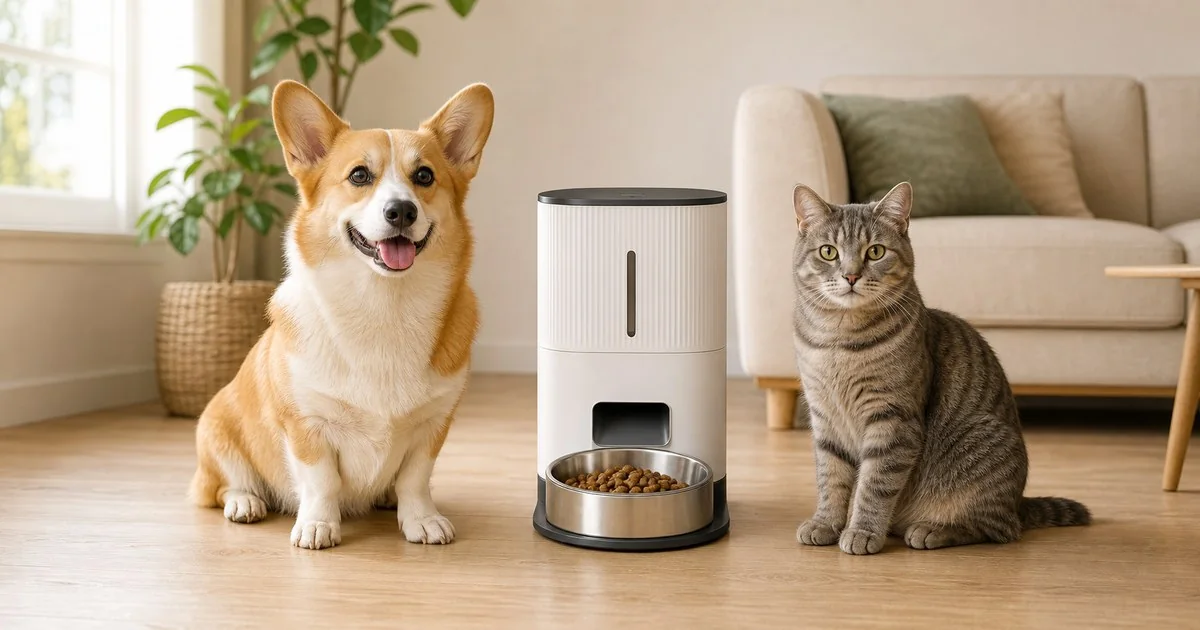
Compare smart, camera, wet-food, and microchip feeders to find the right automatic feeding setup for your cat or dog
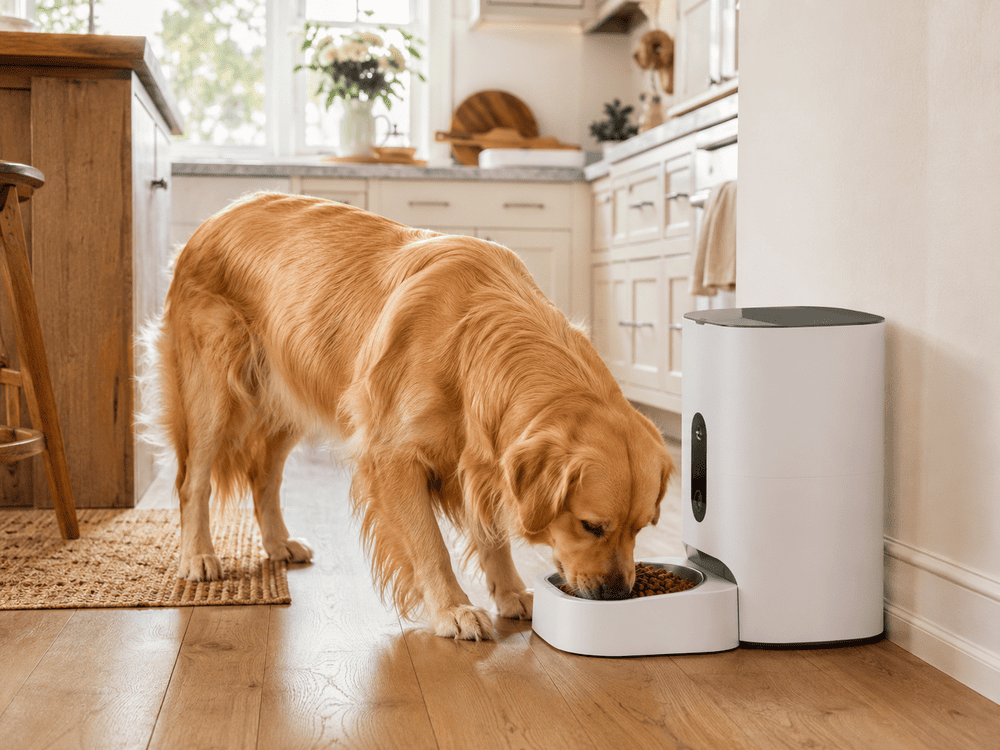
Compare three automatic dog feeders for app control, reliable offline scheduling and larger food capacity, plus the trade-offs that matter before buying.
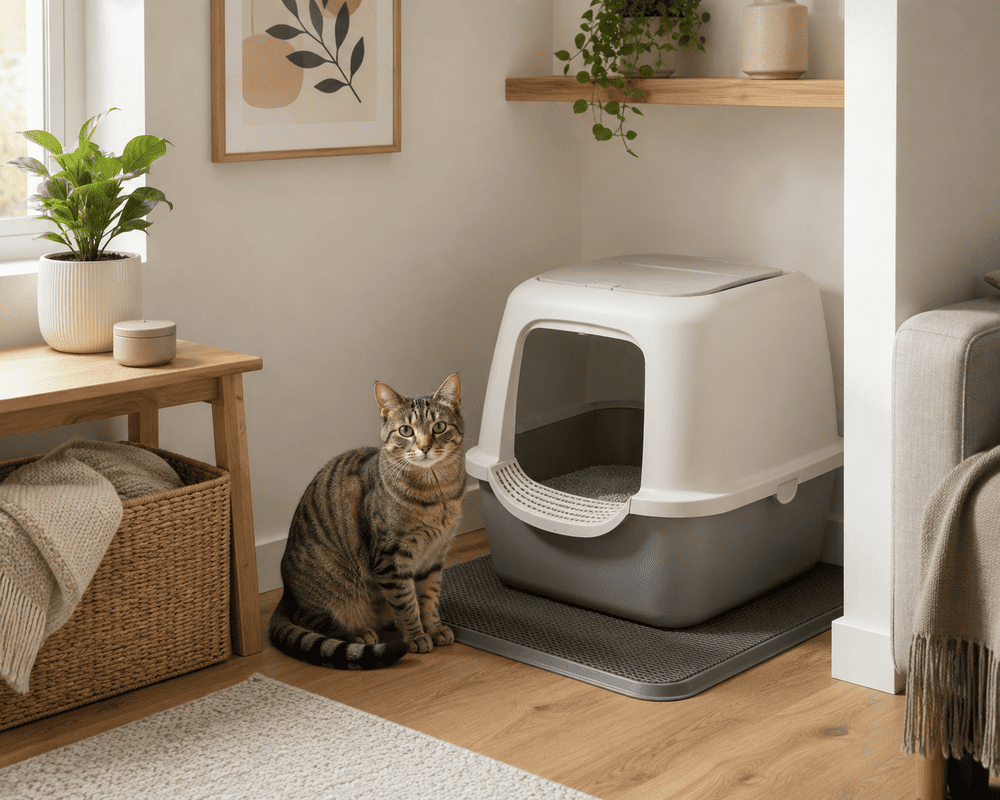
Compare space-conscious cat litter boxes for small apartments, including compact top-entry, covered front-entry and automated options with footprint trade-offs.