Best Pet Water Fountains for Cats in 2026
Compare quiet, stainless-steel, cordless, and smart cat fountains that are practical to clean and maintain.
📅 July 29, 2026
Compare smart, camera, wet-food, and microchip feeders to find the right automatic feeding setup for your cat or dog
Disclosure: Modern Pet Picks may earn a commission if you buy through qualifying links added to this guide, at no extra cost to you. Our recommendations are based on product specifications, safety features, ease of cleaning, food compatibility, and suitability for real pet-care routines. We do not claim hands-on testing unless it is specifically stated.
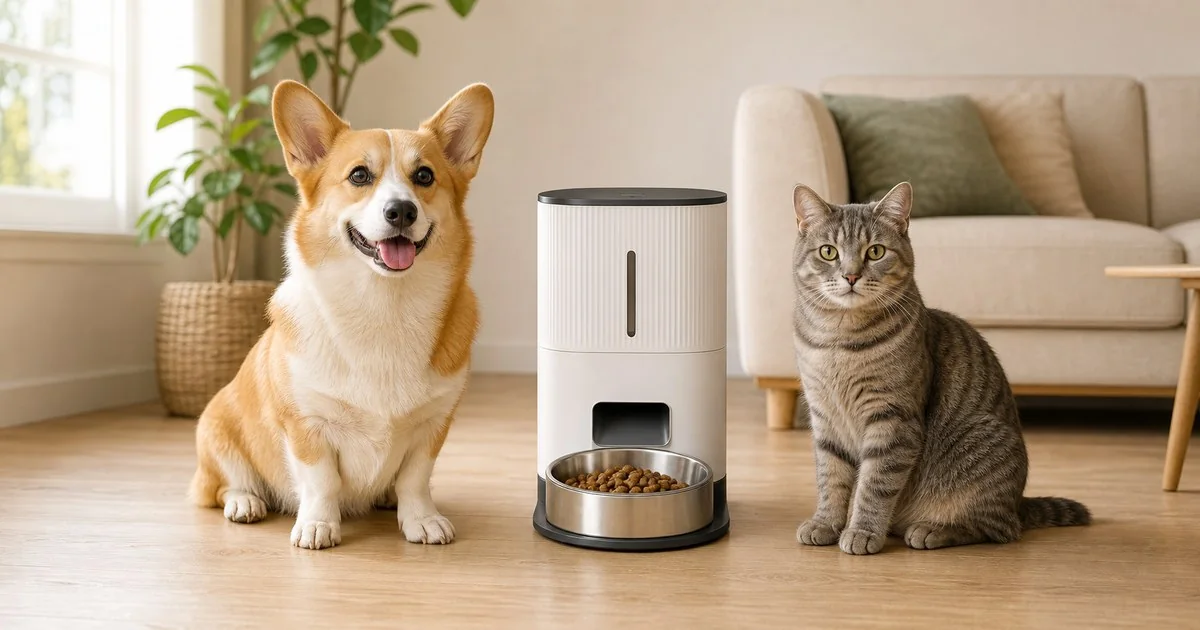
If you are comparing the best automatic pet feeders for dogs and cats, start with your pet’s food type, portion size, eating habits, and whether another pet steals their meals. A dependable feeder can make meal times more consistent, but the right design for a kibble-fed dog may be completely wrong for a cat that eats wet food or needs protected access to a prescription diet.
For most households using dry food, the PetSafe Smart Feed is our best overall pick because it combines flexible scheduling, broad portion control, a large hopper, and backup power. The PETLIBRO Granary Smart Camera Feeder is the better choice when you want video confirmation, while the PetSafe FreshFeed is designed for refrigerated wet or fresh meals.
Last reviewed: July 29, 2026. Product features and availability can change, so confirm the current specifications before buying.
Already shopping specifically for a dog? See our focused guide to the best automatic dog feeders in 2026. You can also browse more connected devices on our Smart Pet Tech page.
This is a research-based buying guide. We compared current manufacturer documentation and prioritized features that matter after the first week of ownership:
Automatic feeders can support measured meals, but they are not a substitute for veterinary nutrition advice. VCA’s veterinary guidance on automatic feeders notes that a feeder should dispense accurately when it is used for calorie control, and that pets still need human care and interaction. Ask your veterinarian to help calculate your pet’s daily calories, then divide that daily amount across the feeder’s scheduled meals.
Best for: Cats and small-to-medium dogs eating dry or compatible semi-moist food.
The second-generation PetSafe Smart Feed is the most balanced choice for households that want app control without giving up practical feeding features. It holds 24 cups of food, schedules up to 12 meals per day, and offers portions from 1/8 cup to 4 cups. Its slow-feed setting releases meals larger than 1/8 cup over 15 minutes, which can help pets that rush through kibble.
Why it stands out: The wide portion range makes it useful for more pets than many small-capacity smart feeders. Multiple household members can access the app, and the large hopper reduces frequent refilling.
What to know: This model is not for canned or raw food. A 1/8-cup minimum may also be too large for a very small cat when divided into many daily meals, depending on the food’s calorie density. Measure several test dispenses with your actual kibble before relying on the schedule.
Best for: Pet parents who want to see whether a cat or dog approached and ate the dispensed meal.
The PETLIBRO Granary adds a downward-facing 1080p camera with a 145-degree view, night vision, and two-way audio to a 5-liter dry-food feeder. The app can schedule up to 10 meals or snacks per day and sends alerts for low food, low battery, and food jams.
Why it stands out: A standard smart feeder can report that food was dispensed, but that does not prove your pet ate it. The camera gives you a better way to check meal behavior and identify which pet visited the bowl.
What to know: Camera and Wi-Fi functions are disabled when the feeder is running only on backup batteries, although saved meal schedules continue. Cloud video storage is optional and may require a paid plan; check what can be saved locally before purchasing.
Best for: Cats and small dogs that eat wet, fresh, raw, topper-based, or prepared meals that require refrigeration.
Most hopper feeders are designed only for kibble. The PetSafe FreshFeed uses active semiconductor refrigeration and a rotating six-meal tray to keep prepared meals chilled until serving time. PetSafe states that it maintains approximately 40°F when used as directed and pauses active cooling shortly before a meal is served.
Why it stands out: It solves the biggest limitation of ordinary timed trays: keeping perishable food properly chilled between meals. The stainless-steel inserts are dishwasher safe and freezer friendly.
What to know: This is a specialized, plug-in appliance rather than a simple travel tray. Follow the manufacturer’s food-safety directions, keep the unit level, and do not assume a refrigerated feeder makes raw food appropriate for every pet. Discuss special diets, medications, or supplements with your veterinarian.
Best for: Multi-pet households where one pet steals another pet’s wet, dry, prescription, or weight-management food.
The SureFeed Microchip Pet Feeder is not a timed dispenser. Instead, its covered bowl opens only when an authorized pet approaches. It reads common implanted identification microchips or the included Sure Petcare RFID collar tag, and it can remember up to 32 pet identities.
Why it stands out: It is the clearest choice when the problem is unauthorized access rather than missed scheduling. A sealed lid can also help keep food fresher and reduce access by flies.
What to know: It does not automatically release measured meals at specific times. In a home with several pets on different diets, you may need one unit per protected pet. A determined food thief may also require the optional rear cover.
Best for: A multi-pet home that needs both scheduled dry-food portions and access limited to one collar-tagged pet.
The PETLIBRO One combines automatic dispensing with an RFID-controlled lid. The reader recognizes the included collar tag, then opens access for the assigned pet. The app schedules up to 10 meals or snacks and provides feeding logs.
Why it stands out: Unlike a basic protected bowl, it can dispense planned portions and limit access to the assigned pet. That is useful when one cat needs a different dry diet or when a dog raids the cat’s bowl.
What to know: The feeder does not read an implanted microchip. It works only with its dedicated collar tag, and one feeder pairs with one tag. Pets that do not safely tolerate collars may be better suited to the SureFeed model above.
Best for: Cats and small-to-medium dogs whose owners want flexible scheduling without an app, camera, or cloud account.
The Healthy Pet Simply Feed uses onboard controls and a conveyor system to dispense up to 12 meals daily. Like the Smart Feed, it holds 24 cups and offers portions from 1/8 cup to 4 cups, plus slow-feed, feed-now, and pause-feed modes.
Why it stands out: It keeps the useful scheduling and portion range of a larger dispenser while avoiding Wi-Fi setup and app dependence.
What to know: Programming is done on the feeder, so remote changes and alerts are not available. The wall adapter is not included, and the conveyor must be hand washed.
Do not place wet, canned, raw, or moist fresh food in a dry-food hopper. Use a refrigerated system specifically designed for perishable meals, or a covered bowl that you fill and monitor yourself. For kibble dispensers, compare the manufacturer’s supported kibble diameter with the food you already buy.
A feeder dispenses volume, but pet foods differ significantly in calories per cup. Start with your veterinarian’s daily calorie recommendation and the calorie statement on the food label. Measure the feeder’s real output with your kibble, because shape and density can affect the amount delivered.
A timed feeder answers “when and how much food is served.” A microchip or RFID feeder answers “which pet can eat it.” If you have one food thief and one pet on a special diet, access control may matter more than remote feeding. If you need both, choose a scheduled RFID model and verify that your pet can safely wear its required tag.
Look for stored schedules and battery backup, but treat batteries as emergency support rather than a reason to leave a pet unattended. Smart features such as cameras and remote control may stop when a feeder is operating only on batteries.
Food dust and oils collect around dispensers. Prefer a removable stainless-steel bowl and food-contact parts you can wash thoroughly. Before buying, check the price and availability of replacement bowls, splitters, desiccant bags, batteries, filters, collar tags, and optional app subscriptions.
A low bowl may be uncomfortable for a large dog, while a large minimum portion can overfeed a small cat. Persistent pets may pry at weak lids or reach into the chute. Nervous pets may need several supervised days to accept motor noise or a moving cover.
They can be a useful part of a feeding routine when the feeder is appropriate for the food, cleaned regularly, tested for accurate portions, and checked daily. No automatic feeder should replace fresh water, health monitoring, exercise, affection, or a responsible caregiver.
Some models support cats and small-to-medium dogs, but the portion range, bowl height, capacity, and durability must suit the individual pet. Large dogs usually need a larger and more resistant setup than cats.
Only if the feeder is specifically designed to keep wet food protected and, when required, safely chilled. A standard dry-food hopper cannot safely store canned or fresh food.
Many smart feeders store the schedule locally and continue dispensing during an internet outage, but remote controls, cameras, and alerts may be unavailable. Confirm this behavior for the exact model and test it before depending on the feeder.
Dispense several portions using your pet’s normal food, weigh or measure each output, and calculate the average. Repeat the check when you change kibble shape or brand. If your pet is on a weight-management or medical plan, review the result with your veterinarian.
No device removes the need for human supervision. Feeders can jam, power can fail, water can spill, and pets can become ill. Arrange regular in-person care and keep an emergency backup plan.
The PetSafe Smart Feed is the best starting point for most cats and small-to-medium dogs eating dry food. Choose the PETLIBRO Granary when camera confirmation matters, the PetSafe FreshFeed for properly chilled wet or fresh meals, and the SureFeed Microchip Pet Feeder when food stealing is the main problem. The best automatic pet feeder is the one that matches your pet’s diet and reliably delivers the veterinarian-approved daily amount—not simply the model with the most app features.
Continue comparing products in our Dog Products, Cat Products, and Pet Buying Guides sections.
Health note: This guide is general information, not veterinary advice. Contact your veterinarian if your pet’s appetite, weight, thirst, or eating behavior changes, or if your pet needs a therapeutic diet.
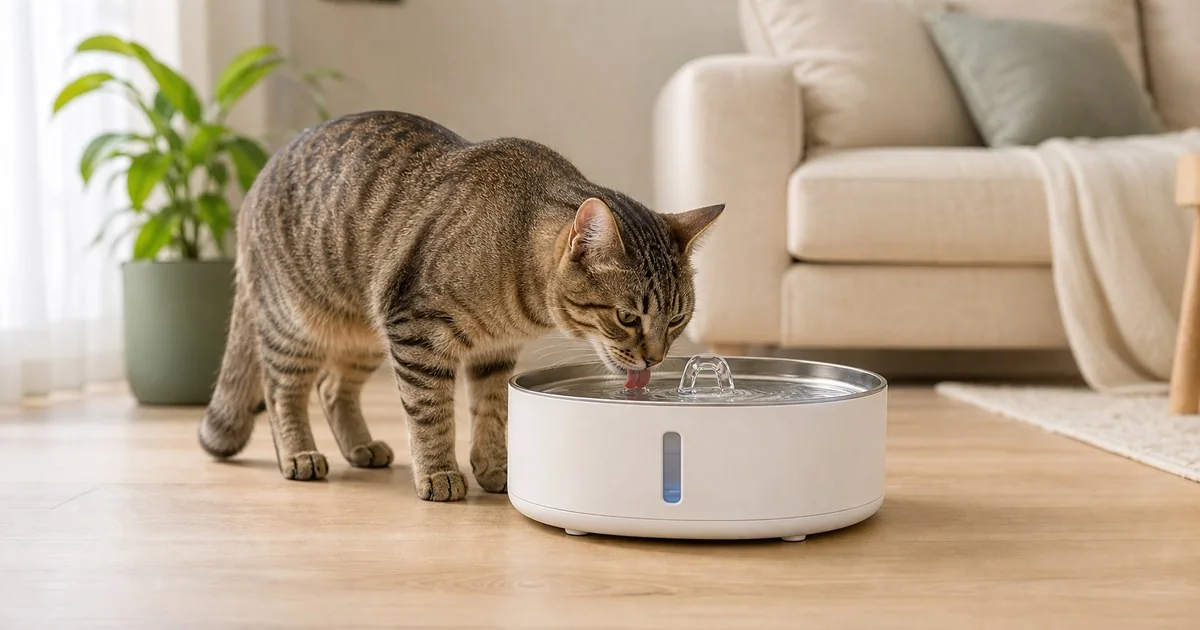
Compare quiet, stainless-steel, cordless, and smart cat fountains that are practical to clean and maintain.
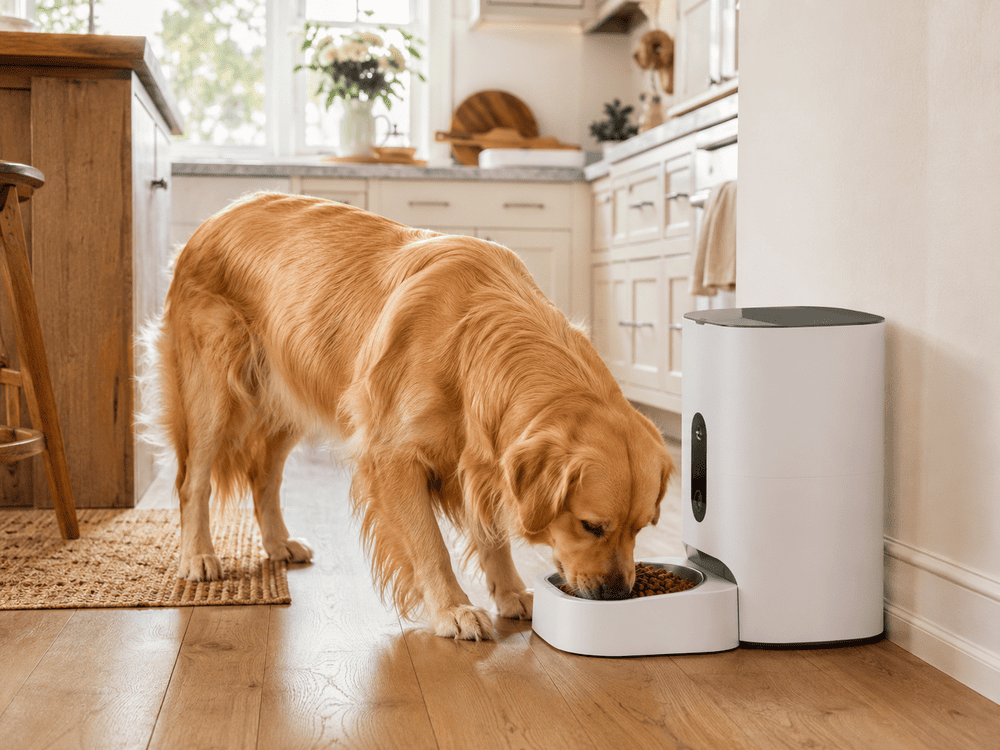
Compare three automatic dog feeders for app control, reliable offline scheduling and larger food capacity, plus the trade-offs that matter before buying.
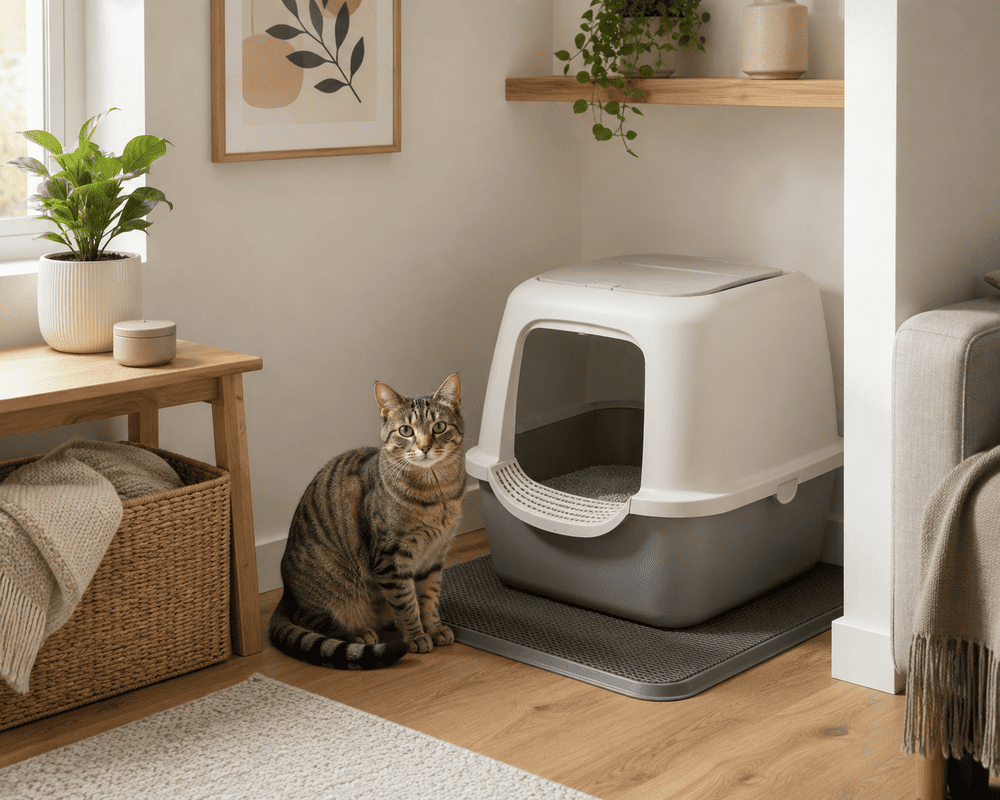
Compare space-conscious cat litter boxes for small apartments, including compact top-entry, covered front-entry and automated options with footprint trade-offs.