Best Pet Cameras for Home in 2026
Compare the best pet cameras for home monitoring, 360-degree views, two-way audio and treat dispensing. Research-based 2026 picks and privacy tips.
📅 August 9, 2026
AirTag or dedicated dog GPS tracker? Compare live tracking, Find My coverage, escape alerts, subscriptions and the situations each option actually fits.
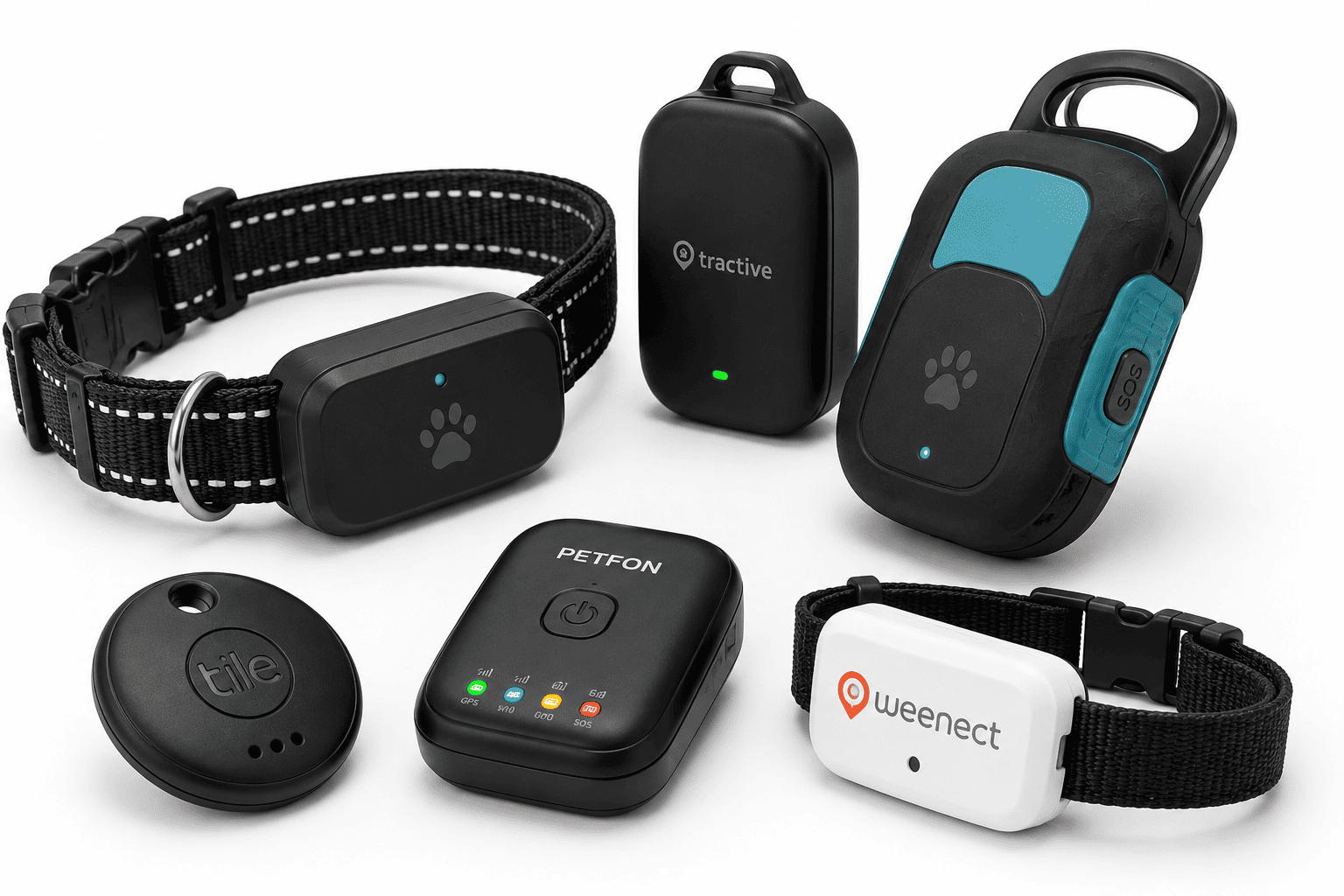
AirTag and a dedicated dog GPS tracker can both put a location on a map, but they get there in very different ways. For an escape-prone dog, that difference matters more than the purchase price.
| Feature | AirTag | Dedicated pet GPS |
|---|---|---|
| Location method | Bluetooth / Find My network, nearby Ultra Wideband on supported devices | GPS/GNSS location plus cellular or another communication network |
| Live pet tracking | Not designed as a pet live-GPS service | Core feature on many models |
| Escape / virtual-fence alerts | No pet-specific geofence workflow | Common on dedicated pet trackers |
| Subscription | No cellular subscription | Common when cellular service is used |
| Best use | Secondary backup / nearby item finding | Active recovery of an escape-risk dog |
AirTag sends a Bluetooth signal. Nearby devices in Apple’s Find My network can detect that signal and relay an encrypted location. When you are close and using compatible Apple hardware, Precision Finding can help guide you toward the tag. That system is excellent for keys, bags and other personal items—the use case Apple actually designs AirTag around.
A pet tracker such as Tractive or Fi uses satellite positioning to determine where the device is, then sends that information through a communication network to the owner’s app. Because the service is built around a moving pet, it can also add virtual fences, escape notifications and tracking modes designed for recovery.
Many dedicated trackers charge a subscription because mobile-network service is how the tracker sends location data. AirTag avoids that recurring cellular fee because it relies on a crowdsourced device network instead. The lower operating cost comes with a different level of control over when the location is reported.
Rural use is where the technology difference becomes easiest to understand. An AirTag may go a long time without a nearby Find My device if the dog runs into open countryside. A cellular pet tracker may know its GPS position but still need compatible cellular coverage to send that location. Newer satellite-backed trackers can reduce this limitation, but they introduce different cost and battery trade-offs. Before buying any tracker, think about the worst place your dog could realistically escape—not only the place where you normally walk.
AirTag uses a replaceable coin-cell battery and is designed for low-power item finding. Dedicated GPS trackers use rechargeable batteries because active location updates and cellular communication consume much more energy. That means a GPS tracker needs a charging habit. If you frequently forget to recharge devices, choose a model and schedule you can realistically maintain.
Any tracker adds hardware to the dog. Check the device weight, attachment style and the dog’s neck size. A small dog may tolerate a tiny tag more easily than a large GPS module, while an active large dog may need a stronger attachment than a lightweight accessory holder. Comfort and secure attachment matter regardless of tracking technology.
AirTag includes anti-unwanted-tracking protections because it is a general-purpose item tracker. That is a positive privacy feature, but it is another reminder that the product was not built as a dedicated pet locator. Pet trackers have their own account, sharing and privacy controls; review those before giving family members access.
For a dog where location tracking is a real safety requirement, dedicated pet GPS is the stronger primary tool. AirTag can be a useful secondary layer for Apple households, but it should not be marketed or understood as equivalent to a live GPS pet tracker.
Best Dog GPS Trackers in 2026 • Best Pet Safety Devices in 2026
Compare the best pet cameras for home monitoring, 360-degree views, two-way audio and treat dispensing. Research-based 2026 picks and privacy tips.
Compare smart pet water fountains with app tracking, cordless operation, filtration and easy-clean designs. Research-based 2026 picks for cats and small pets.
Compare smart pet doors using microchip, RFID and app controls. Research-based picks for cats, small dogs, larger dogs, curfews and access security.