Best Cat GPS Trackers in 2026
Compare current cat GPS trackers for real-time location, escape alerts and outdoor cats. Research-based picks plus fit, coverage and subscription advice.
📅 August 9, 2026
Compare useful pet safety devices for location tracking, home monitoring and temperature alerts. Research-based picks plus practical limits of pet tech.
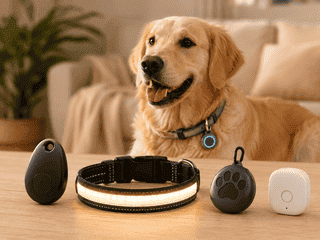
Pet safety technology works best in layers. A GPS device solves a different problem from a camera or an RV temperature monitor, and none replaces identification, supervision or an emergency plan. We compared useful current device categories by the specific risk they help owners notice sooner.
| Product | Best for | Why it stands out |
|---|---|---|
| Waggle Pet Monitor | RV temperature and power alerts | A cellular environment monitor is designed to alert owners to temperature changes and power loss without depending on campground Wi-Fi. |
| Fi Ultra Dog Tracker | remote dog location | GPS, LTE and newer satellite-capable connectivity target escape or remote-adventure situations where ordinary neighborhood tracking may not be enough. |
| Tractive GPS Tracker | everyday escape alerts | Tractive's dog and cat trackers combine live location with safe zones for owners who want a more mainstream consumer GPS option. |
| Furbo Mini 360° | home visual monitoring | A rotating camera lets owners verify what is happening in the pet's room and can provide pet-focused alerts depending on the service setup. |
A cellular environment monitor is designed to alert owners to temperature changes and power loss without depending on campground Wi-Fi.
What to keep in mind: Real-time cellular alerts require an ongoing service plan and still depend on mobile-network availability.
GPS, LTE and newer satellite-capable connectivity target escape or remote-adventure situations where ordinary neighborhood tracking may not be enough.
What to keep in mind: It is specialized hardware with service cost and battery tradeoffs.
Tractive's dog and cat trackers combine live location with safe zones for owners who want a more mainstream consumer GPS option.
What to keep in mind: It depends on compatible cellular service and secure collar attachment.
A rotating camera lets owners verify what is happening in the pet's room and can provide pet-focused alerts depending on the service setup.
What to keep in mind: A camera can show a problem but cannot physically intervene, so a nearby human backup plan still matters.
Choose technology around a real concern—escape, heat, home monitoring or access—not around the idea of collecting as many pet gadgets as possible.
An alert is only helpful if it reaches you. Check cellular, Wi-Fi, app-notification and subscription requirements.
For temperature or home monitoring, ask what happens when the power fails—the moment monitoring may matter most.
Keep microchips and readable ID information current even when a pet wears a GPS tracker.
Arrange someone who can physically reach the pet when you cannot. Remote information without a response plan has limited value.
GPS, temperature alerts, cameras and reflective gear protect against different risks. Start with the scenario you actually need to manage rather than buying technology for its own sake.
A safety alert matters only if it reaches someone who can act. Check connectivity, app permissions, battery status and who receives notifications.
Critical safety should not depend on one electronic device. Identification, secure doors, leashes, supervision and emergency contacts remain foundational.
Cars, rural trails, apartments and yards create different hazards. A good device for one setting may add little value in another.
Consumer devices can fail, lose coverage or report imperfect data. Treat them as aids that add information, not guarantees of safety.
Modern Pet Picks treats this as a research-based comparison, not a hands-on laboratory test. We look for products that are currently represented by their manufacturers or established product ecosystems, then compare the decision points that matter for the category: fit, safety, maintenance, compatibility, recurring costs and practical limitations. Where a feature depends on an app, subscription, battery, replacement filter, hub or cellular service, that dependency is part of the comparison rather than a footnote.
Product names and specifications can change after publication. Before buying, verify the exact model, current compatibility and care instructions on the manufacturer’s current documentation. For health or behavior concerns, product information is not a substitute for advice from a veterinarian or an appropriately qualified behavior professional.
This guide is designed for pet owners who want a short list to research further rather than a single “winner” presented as perfect for every household. The strongest choice depends on your pet’s size, habits, environment and tolerance for maintenance. We therefore emphasize trade-offs and who should consider or skip a product, not just feature counts.
There is no universal answer. Permanent identification is foundational, while GPS, cameras or environmental monitors address different risks.
A camera provides information, not physical rescue. It is most useful when paired with alerts and a person who can respond.
No. Coverage depends on the tracker's radio, cellular or satellite technology and the environment.
Build safety tech around your actual routine. Travelers who leave pets briefly in climate-controlled RVs have different needs from owners of escape-prone dogs or indoor cats. One well-chosen device plus a real response plan is better than several disconnected gadgets.
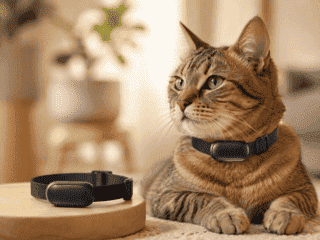
Compare current cat GPS trackers for real-time location, escape alerts and outdoor cats. Research-based picks plus fit, coverage and subscription advice.
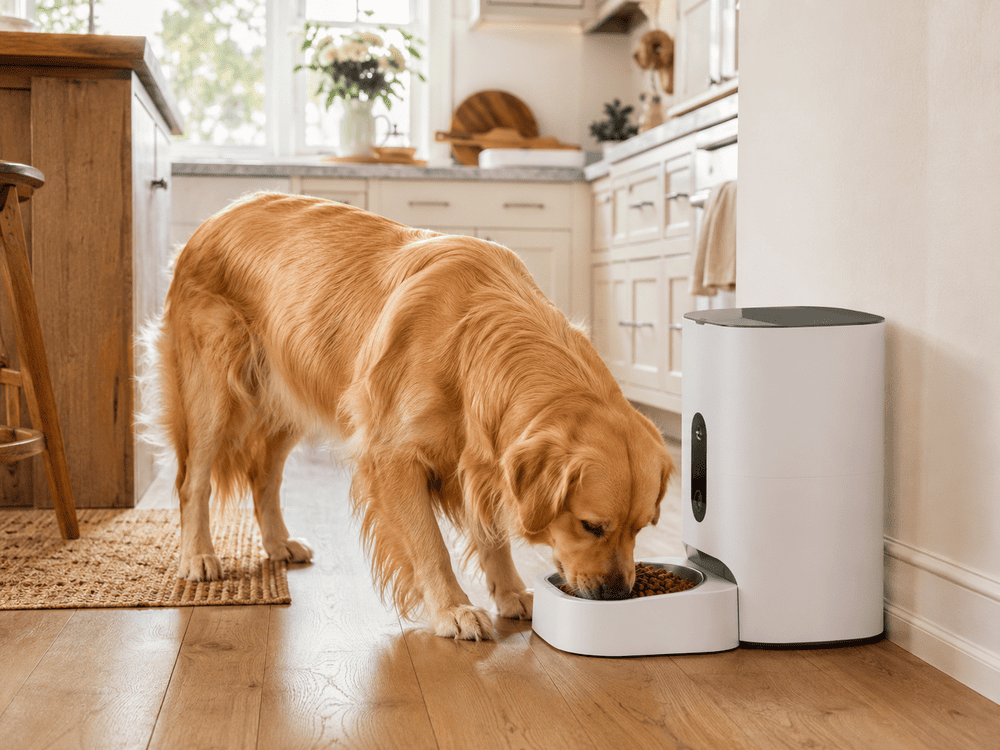
Compare three automatic dog feeders for app control, reliable offline scheduling and larger food capacity, plus the trade-offs that matter before buying.

Compare space-conscious cat litter boxes for small apartments, including compact top-entry, covered front-entry and automated options with footprint trade-offs.