Best Cat Litter Boxes for Small Apartments in 2026
Compare space-conscious cat litter boxes for small apartments, including compact top-entry, covered front-entry and automated options with footprint trade-offs.
📅 July 9, 2026
Compare the best self-cleaning litter boxes for odor control, multi-cat homes, open designs and easier maintenance. Research-based 2026 guide.
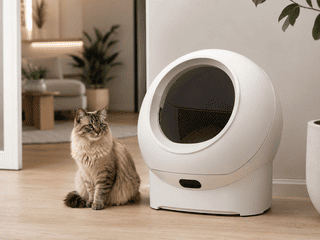
Automatic litter boxes can reduce scooping, but they add motors, sensors, waste drawers and cleaning requirements that a plain box does not have. We compared current systems by entry design, cat-size accommodation, safety sensors, waste handling, litter compatibility, app value and maintenance burden.
| Product | Best for | Why it stands out |
|---|---|---|
| Litter-Robot 5 | feature-rich automation | Whisker's newer generation builds on its rotating automatic-litter-box platform with app-connected waste and usage monitoring. |
| Litter-Robot 4 | established enclosed automatic system | The round rotating design has a broad user base and combines automatic sifting with app-based monitoring. |
| Neakasa M1 | open-top access | Its open-top architecture can feel less confined for cats that hesitate at enclosed automatic boxes. |
| PetSafe ScoopFree SmartSpin | alternative rotating system | A connected rotating design gives owners another mainstream option with automatic waste separation and app features. |
Whisker's newer generation builds on its rotating automatic-litter-box platform with app-connected waste and usage monitoring.
What to keep in mind: The large footprint and premium cost make it a significant commitment, and cats still need an adjustment period.
The round rotating design has a broad user base and combines automatic sifting with app-based monitoring.
What to keep in mind: Large cats or cats that dislike enclosed openings may prefer a more open layout.
Its open-top architecture can feel less confined for cats that hesitate at enclosed automatic boxes.
What to keep in mind: Open designs may scatter more litter depending on the cat, litter type and surrounding mat setup.
A connected rotating design gives owners another mainstream option with automatic waste separation and app features.
What to keep in mind: Check consumable, litter and cleaning requirements rather than comparing the purchase price alone.
The best machine is useless if the cat refuses it. Keep the old litter box available during a slow transition.
Compare the opening, interior space and step height with the size, age and mobility of each cat.
Automatic cycles should be designed to pause when a cat approaches or enters. Keep sensors clean and follow all setup instructions.
Self-cleaning does not mean maintenance-free. Waste drawers, interior surfaces and moving parts still need regular cleaning.
Usage history can be helpful, but app weight recognition is not a substitute for watching each cat's litter habits and health.
Entry height, interior space, litter type and movement style affect whether a cat will use an automatic box. A technically compatible weight range does not guarantee behavioral acceptance.
Look for weight or presence sensors and understand how a cleaning cycle pauses when a cat approaches. Never bypass safety instructions.
Drawer capacity, liner requirements and odor control determine how much daily effort the system actually saves.
Automatic does not mean maintenance-free. Smooth removable parts and accessible sensors make periodic deep cleaning much easier.
Connected alerts can be useful, but recurring bags, filters, litter restrictions and replacement parts should be included in the ownership cost.
Modern Pet Picks treats this as a research-based comparison, not a hands-on laboratory test. We look for products that are currently represented by their manufacturers or established product ecosystems, then compare the decision points that matter for the category: fit, safety, maintenance, compatibility, recurring costs and practical limitations. Where a feature depends on an app, subscription, battery, replacement filter, hub or cellular service, that dependency is part of the comparison rather than a footnote.
Product names and specifications can change after publication. Before buying, verify the exact model, current compatibility and care instructions on the manufacturer’s current documentation. For health or behavior concerns, product information is not a substitute for advice from a veterinarian or an appropriately qualified behavior professional.
This guide is designed for pet owners who want a short list to research further rather than a single “winner” presented as perfect for every household. The strongest choice depends on your pet’s size, habits, environment and tolerance for maintenance. We therefore emphasize trade-offs and who should consider or skip a product, not just feature counts.
They automate waste separation, but owners still need to empty waste, add litter and clean the machine.
Manufacturers set minimum size or age guidance for safe automatic operation. Follow the exact model's instructions and use manual mode when required.
No. Noise, movement, entry shape and litter type can all affect acceptance, so transition gradually.
Litter-Robot remains a strong reference point for full-featured automation, while Neakasa's open layout solves a different comfort problem and PetSafe offers another connected alternative. Choose around your cat's size and behavior before choosing around the app.
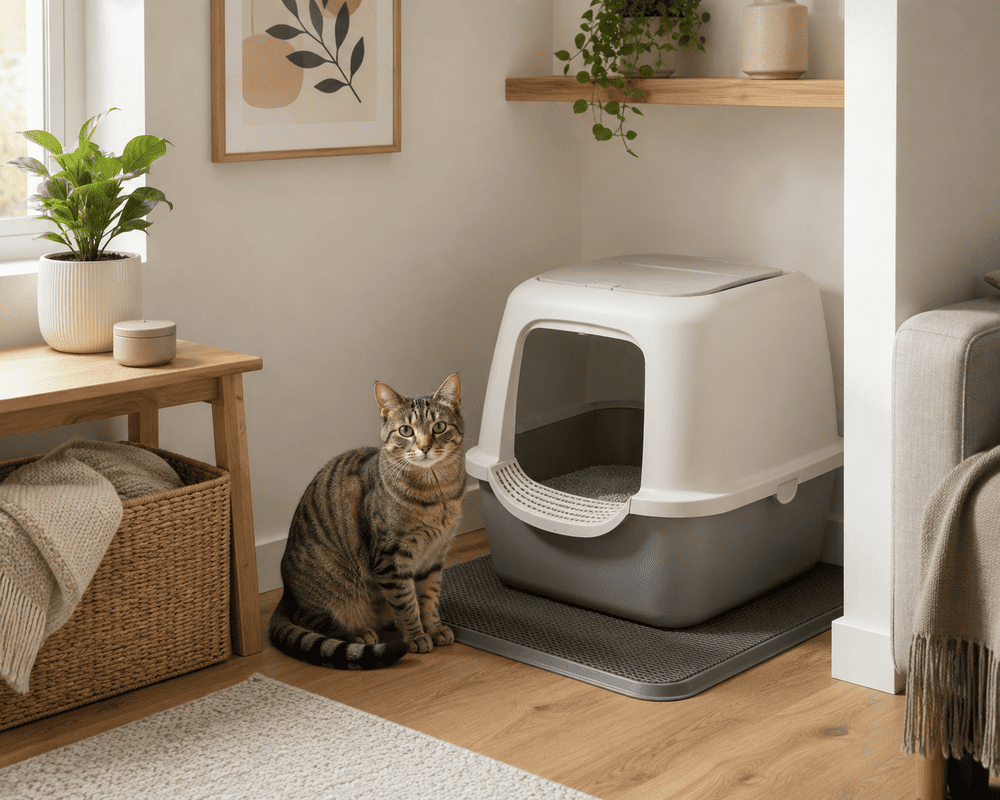
Compare space-conscious cat litter boxes for small apartments, including compact top-entry, covered front-entry and automated options with footprint trade-offs.
Compare the best cat beds for curling, warmth, hiding and everyday naps. Research-based picks plus tips on size, placement, materials and cleaning.
Compare the best cat trees for climbing, scratching, lounging, large cats and small spaces. Research-based picks plus stability and placement advice.